Rabbit Breeds
Rabbit
Breeds. Discover the different breeds of rabbits according to breed, size, body
type, lop-ears, fur type and meat breeds, plus links to more bunny breed information.

Ever wonder where our domestic rabbits come from, or marvel at the huge variety that exists between all our pet and livestock rabbits?
Many wild rabbit breeds live around the world. But selective breeding of a single breed of rabbit, the European wild rabbit (Oryctolagus cuniculi), over the last 5,000 years or so, has resulted in tremendous variations of body sizes, styles, colors, and fur.
What breeds appeal to you? Big? Little? Lop-eared or straight-eared? Short-haired or wooly? Solid-colored or spotted?
This Rabbit Breeds page provides an overview of this huge variety of rabbits in all sizes and shapes, and links to detailed information about most of these breeds.
Different
Types of Rabbits:
Rabbits come in FOUR different types of
fur or wool: Normal, Rex fur, Satin fur, and Angora wool.
Body Types of Rabbits:
Rabbits can be further classified into FIVE body types of rabbits.
Lop-Eared
Rabbits:
FIVE breeds of domestic rabbits in the United States are lop-eared.
Meat Rabbits:
We’ve also identified the breeds most frequently raised for meat, and breeds not necessarily as ideal for raising meat rabbits.
Angora Rabbits:
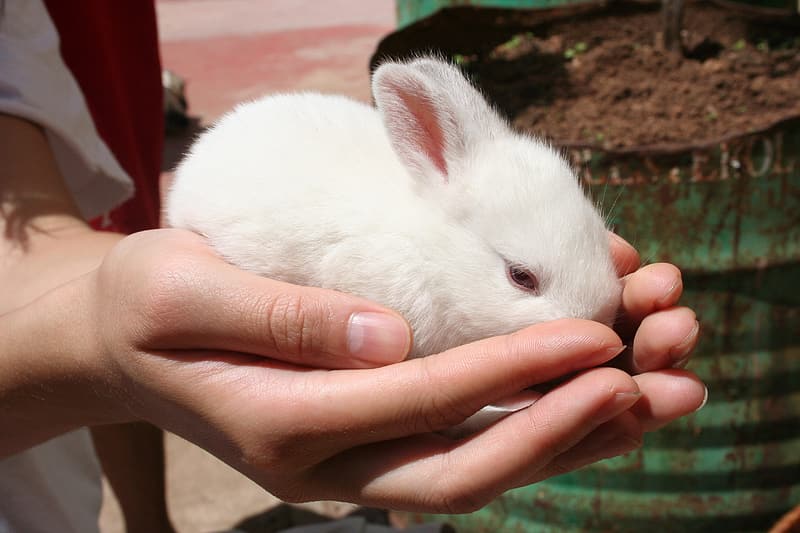
Learn about, and find links to, twelve breeds of rabbits with angora wool around the world, some bigger than others.
Breeds for Pet Rabbits:
Pet rabbits can be any breed or breed mixes that strikes your fancy. Here are some
ideas you might like to consider as you decide on getting a pet rabbit.
Small
Rabbit Breeds:
Small rabbit breeds are often chosen for pet
rabbits, especially for small or young handlers. Plus, they are likely to need
less space and feed.
All Breeds Recognized in the USA
As of 2023, the American Rabbit Breeders Association (ARBA) has recognized 52 distinct breeds of rabbits. You'll find their photos and thumbnails at the All Rabbit Breeds page.
Raising-Rabbits has provided shortened versions of breed information for all these breeds both at the above page and at the individual specific breed page, also linked above. The full version with multiple breed photos and information is available in our rabbit-breeds e-book.

Domestic Rabbit Breeds:
A Kaleidoscope of Variety
Within its 206 pages, this e-book contains many full-sized photos of ARBA accepted breeds, categories of various rabbit breeds, characteristics, and fur types, as well as extensive breed information on all these rabbits. It also includes as much detail as we could find about other domestic rabbit breeds found around the entire globe.
Additionally, you'll find tips on how best to try to figure out what breeds are contained within your own mixed-breed rabbit.
Follow the link to Domestic Rabbit Breeds e-book information page!
Breeds of Rabbits Around the World
It is believed that upwards of 170 (or more) breeds of domestic rabbits exist across the globe, some of them flourishing, some of them critically endangered.
We divided our list of the known domestic rabbit breeds around the globe into two; they are linked here:
List of Breeds of Rabbits from A to K
(If a rabbit breed title is linked, follow it for more specific information about that breed. Rabbit breed pages will also link you to specific ARBA breed information pages, if available.)
Alaska
Altex
American
American Sable
Angora, Chinese
Angora, Dwarf
Angora, English
Angora, French
Angora, German
Angora, Giant
Angora, Mini English
Angora, Satin
Argente, Bleu
Argente, Brun
Argente, Champagne
Argente, Clair
Argente, Crème
Argente, Noir
Argente, Saint Hubert
Baladi
Bauscat
Beige
Belgian Hare
Belgian Silver
Beveren
Blanc de Hotot
Blanc de Popielno
Blanc de Termode
Blanc de Vendee
Blue Holicer
Blue of Ham
Bourbonnais Grey
Brazilian
Britannia Petite
British Giant
Brown Chestnut of Lorraine
Caldes
Californian
Carmagnole Grey
Champagne d'Argent
Chaudry
Checkered Giant
Chinchilla, American
Chinchilla, Giganta
Chinchilla, Giant
Chinchilla, Standard
Cinnamon
Continental Giant
Crème d'Argent
Criollo
Cuban Brown
Czech Albin (White)
Czech Spot
Czech Frosty
Deilenaar
Dutch
Dwarf Hotot
Dwarf Papillon
Dwarf Swiss Fox
Enderby Island
English Spot
Fauve de Bourgogne
Fee de Marbourg (Marburger)
Flemish Giant
Flemish Giant (British)
Florida White
Furless
Gabali
German Giant
Geant Hongrois (Hungarian Giant)
Giant Blanc du Bouscat
Giant Papillon
Giza White
Gnomish Giant
Goat
Golden Glavcot
Gotland Rabbit
Grey Pearl of Halle
Harlequin (Japanese)
Havana
Hermelin
Himalayan
Hulstlander
Ibicenco
Isabella
Jamora
Japanese Jumbo White
Jersey Wooly
Kabyle
Kanel
Klein Lotharinger
List of Breeds of Rabbits from L to Z
(If a rabbit breed title is linked, follow it for more specific information about that breed. Rabbit breed pages will also link you to specific ARBA breed information pages, if available.)
Large Himalayan (Russe)
Large Silver
Lilac
Lionhead
Little Silver
Lop, American Fuzzy
Lop, Cashmere
Lop, 'Dwarf of Europe'
Lop, Dwarf
Lop, Dwarf Rex
Lop, English
Lop, French
Lop, German
Lop, Holland
Lop, Meissener
Lop, Mini
Lop, Mini Lion
Lop, Mini Plush
Lop, Miniature Cashmere
Lop, Velveteen
Lutino
Lutterbach Ermine
Lux
Magpie
Marten Sable
Mecklenburger Scheck
Mini Satin
Moravian White
Moravian Blue
Netherland Dwarf
New Zealand Rabbits
New Zealand Red
Nil
Normand (Picard)
Orange
Orestad
Palomino
Pani
Pannon White
Perlfee
Petit Papillon Tricolor
Pointed Beveren
Polish
Polish (UK)
Prat
Rex, Astrex
Rex, Dwarf
Rex, Micro
Rex, Mini
Rex, Mini Satin
Rex, Opossum
Rex
Rex, Standard Satin
Rhinelander
Rhoen
Sable
Sable de Vosges
Sachsengold
Sallander
San Juan .
Satin
Satin Dwarf
Schwarzgrannen
Separator
Siamese Sable
Siberian
Sichuan White
Silver
Silver Fox
Silver Fox (UK)
Silver Marten
Smoke Pearl
Spanish Giant
Squirrel
St Nicholas Blue
Stone (Steenkonijn)
Stor Egern
Stora (Large)
Havana
Sussex
Swiss Fox
Tadla
Tan
Tho Noi
Thrianta
Thuringer
Tronder
Vienna
Vienna White
Vit Land
White Dendermode
Zemmouri
Double-Value Guarantee
Our policy is to always OVER-deliver
on value,
which is why your purchase is fully covered by our
Double-Value
Guarantee.
Go ahead - take any of our e-books for a test drive. Peruse our detailed informational and educational e-books. Examine our plans for building rabbit cages, runs, or metal or PVC hutch frames. Check out the Rabbit Husbandry info e-books.
If you aren't completely satisfied that your e-book purchase is worth at least double, triple or even quadruple the price you paid, just drop us a note within 45 days, and we'll refund you the entire cost. That's our Double-Value Guarantee.
Note: When you purchase your
e-books, they will be in PDF format, so you can download them to any device that
supports PDF format. We advise making a back-up copy to a drive or cloud
account. If the books are lost, you can also purchase another copy from Raising-Rabbits.
* Affiliate Links*
As an affiliate of several companies, including Amazon.com, we earn from qualifying purchases. Your purchases from these affiliates come at no extra cost to you.
Bunny Bazaar!
Online Shopping Mall by Raising-Rabbits!
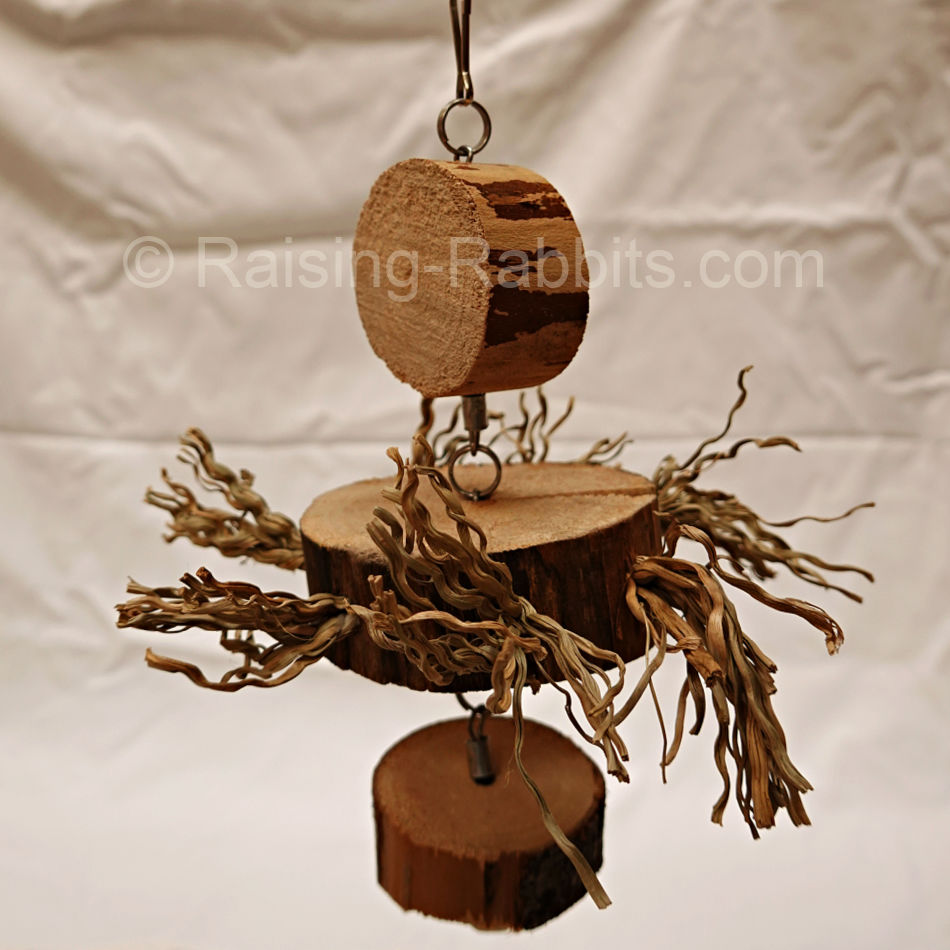
One-Stop Shop for Rabbit Swag for both Rabbits and Humans
Bunny Branola:
Immune-Boosting Rabbit Nutritional Supplement and Treat!
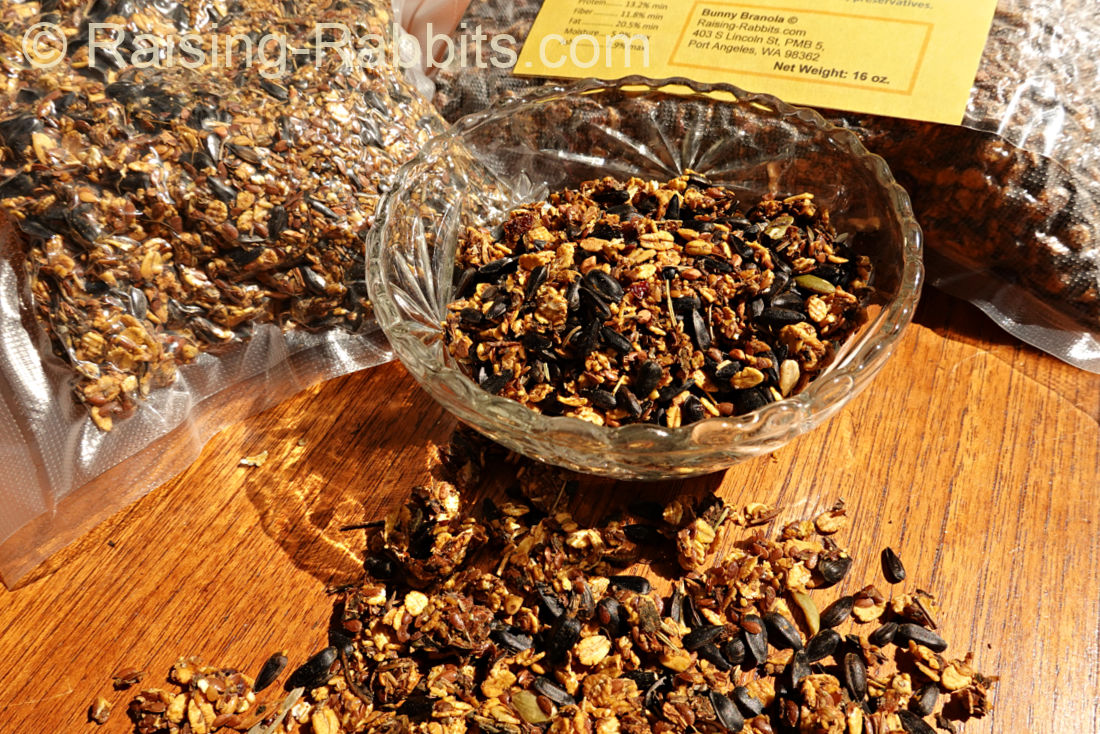
SIX delicious flavors - Sample packs available.
Yes! I want more info!
Yes, Buy Bunny Branola Now!
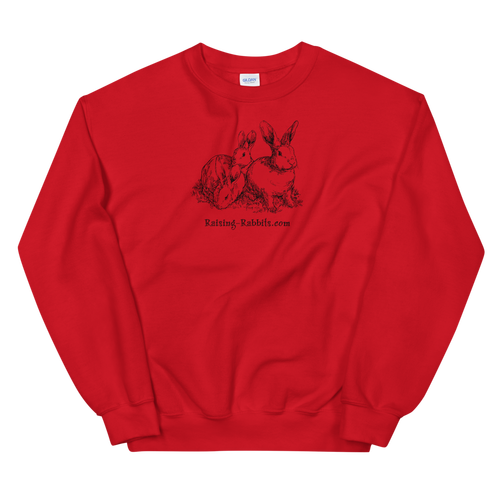
Raising Rabbits Sweatshirts, T-shirts, and Hoodies!
 |
 |
 |
Now offering classy, unisex Raising Rabbits sweatshirts and hoodies.
Available in a large assortment of colors! (We have unisex T-shirts too.)
Find these gorgeous garments in the Bunny Bazaar!
Order your own today - They make great gifts too!!
Featured Rabbitries:
Click the Rabbitry Name Links:
Canada, Quebec
MapleRidge Stables Rabbitry
Himalayan Rabbits
Arizona
Hostile Hare
Chinchillas, Cages
Illinois
Open Doors Rabbitry
Lionheads, New Zealands
Kentucky
Goshen Bunnies
Holland Lop and Mini Plush Lop
Minnesota
Lops of Love Rabbitry
Holland Lop Rabbits
New Jersey
Belle's Bunny Boutique
Holland Lops & Mini Lion Lops
North Carolina
What The Fluffle Rabbitry
New Zealands, Champagnes
Breadbox Rabbitry
Netherland Dwarfs
Pennsylvania
Happily Ever After
Mini Plush Lops, Holland Lops,
Netherland Dwarf, Lionhead,
Mini Plush Lop, & Mini Rex
Bunnies by Emma and Ellie
Holland Lop, Mini Lop, Mini Plush Lop,
Mini Rex/Holland Lop Mix
South Carolina
Jubilee Farms
Holland Lops
Subscribe to Rabbit Rhythms,
our e-newsletter !
Get rabbit news, husbandry and health tips mostly every month. It's easy - we only need your email address, then hit the 'subscribe' button. Enjoy!
Recent Articles


-
Autumn Rabbit Pictures: Autumn-Themed Rabbit Photos
Aug 25, 25 04:14 PM
 Autumn Rabbit Pictures is a delightful collection of bunny photos in various fall themes, including story lines and cute quips..
 -
Featured Rabbit Breeder Index
Jul 27, 25 01:06 AM
 Our Featured Rabbit Breeder Index lists and links to all featured rabbitries on Raising-Rabbits. These share lots of info and photos of their rabbits for sale.
 -
Rabbit Rhythms November 2024 Newsletter by Raising-Rabbits.
Nov 05, 24 06:28 PM
 Rabbit Rhythms November 2024: This edition of Rabbit Rhythms covers rabbit news for Fall - a new rabbit breed (holicers), a Fall photo album, and more!



Raising-Rabbits: Home of
The Rabbit Raising Problem Solver

$22.62 - includes
- 10% off your autographed copy of Rabbit Raising Problem Solver
- All packaging, handling, and Media Mail postage costs (WA residents are subject to sales tax)
- Applies to US addresses - (sadly, Media Mail is not offered for international shipping, not even for really awesome books)
- (International shipping is available, of course, but it's out of our control how much they charge for shipping. Send us your country, city, and area code to obtain a shipping quote.)
* Affiliate Links*
As an affiliate of several companies, including Amazon.com, we earn from qualifying purchases. Your purchases from these affiliates come at no extra cost to you.

New! Comments
Have your say about what you just read! Leave me a comment in the box below.