Pet Rabbits
Pet Rabbits: Confident Care and Feeding. Here is pet
care de-mystified and simplified, so you can keep your pet bunny rabbits
healthy and happy for many years.
Pet Rabbit Care

This page is a must-read if you're still wondering if you'd make a good rabbit owner. Learn about the nature and habits of rabbits, and see if you'd like to fit a pet rabbit into your life and schedule.
Nine Valuable Tips covering all the essentials of pet bunny care. How to best take care of your pet bunny rabbit? It's easy!
The page contains a lot of info; you can scan the headers and find the info you need.
- A good strong cage, with dimensions suggested by ND State University
- Give it clean living spaces, plus ideas on disinfection, bedding and cage enhancements
- Keep the stress level low
- Rabbit-proof the house
- Give healthy and fresh foods
- Don't overfeed, and here's how to know you're feeding enough
- Don't let the water run dry
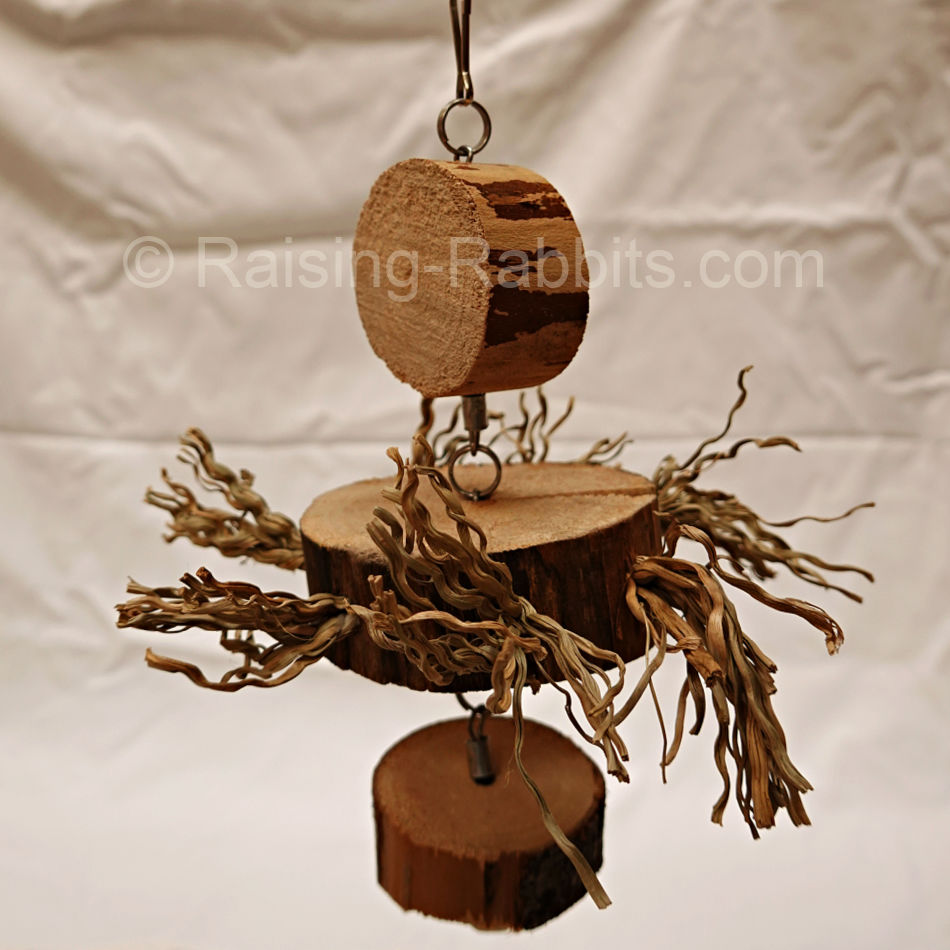
- Ideas for cheap (or free) rabbit toys
- Do your rabbit chores daily
- Caring for your rabbits health and grooming
Advance Preparations for Bunny Ownership, tips for understanding a pet bunny's needs ahead of time so you can prepare and then purchase a pet bunny wisely.
Rabbit Care Checklist for New Pet Owners
This pet rabbit care information list makes it easy to get started confidently caring for your new pet bunny.
This is a checklist for weaning rabbits and buying bunnies. This page will also help dispel some myths and misconceptions about when to wean and at what age your baby rabbits are ready to sell (or purchase).
Taking Care of Pet Bunny Rabbits
How to ensure healthy physical surroundings for your pet rabbit. Keep your pet bunny rabbit safe from predators and other dangers.
Bunnies, Bangs, and Booms - protecting your pet rabbits during the LOUD holidays!
This page will help you keep your outside rabbits well watered and fed, and warm and dry during sub-zero weather.
Pet rabbit chewing is a thing! Rabbits chew for the health of their teeth. Learn the dynamics of why, and how to ensure that household items stay off the menu.
A rabbit’s going to do what a rabbit is going to do, and that is CHEW! Check out our Raising Rabbits Chew Sticks! Fruit-infused twigs from a pristine forested environment that are safe for your rabbits to chew.
An experienced rabbit owner explains why toys may be good for your rabbits and offers advice on buying or making your own rabbit toys.
Trimming claws is something you can do yourself with the right tools and tips.
This page addresses the relationship between various types of rabbit cages, both solid-floored and wire floored and the ability of rabbit feet to remain healthy and free of sores.
Rabbit teeth never stop growing. If they become misaligned, either from an injury, a genetic defect, or possibly an inadequate diet, they will need frequent attention.
Obesity can threaten a rabbit's life. Here are many of the factors that contribute to rabbit obesity, how to help an obese rabbit lose weight, and tips for increasing your rabbit's exercise levels.
Rabbit Travel
Whether you are taking your rabbit to the vet, on vacation, or just out shopping, there are things to consider to help your rabbit travel comfortably and stress free.
EZ Cage Floor Mats in Multiple Bright Colors!
Sold in packs of SIX.
Excellent for rabbit feet health.
Designed for use in wire cage floors. (#ad)
Pet Facts and Info
Specific rabbit verbiage used in connection to raising and caring for rabbits, including pet rabbits.
Fascinating facts about rabbit brains, instincts, how they think, fear vs pain. Facts about rabbits that shed light on contentment in rabbits.
Does your pet need a rabbit buddy? Eight facts about rabbits which will help you better understand and take care of your pet house or hutch rabbits.
We get a lot of questions about pet bunnies. So we decided to create a FAQ list with answers to your hard or elusive questions about pet and show rabbits.
BunnyVac - A Vaccine against Snuffles
The BunnyVac is licensed in the USA for use in well rabbits to protect against pasteurellosis. Plus, anecdotal reports indicate that in sick rabbits, the BunnyVac has reduced or eliminated symptoms in some rabbits. Learn more about rabbit vaccine immunity here.
Rabbit Cages from Amazon
These are a couple of our favorite indoor rabbit cage designs! (#ad)
Fun Pet Rabbit Stuff

Here is an incredibly long list of rabbit names, and clearly we missed some, as some visitors have added their comments to the end of the page. (Thanks!) Maybe you'd like to check out the rabbit names and then let us know how you like to name your rabbits.
Since the word "pet" actually refers to the role you wish the animal to play in your life, it doesn't actually matter much which breed of rabbit you choose as a pet. Nevertheless, some breeds of domestic rabbits are favorites among pet owners. The page will link you to those breeds often chosen as pets, and also to the main Rabbit Breeds pages.
Rabbits make terrific classroom pets. Do you teach children in grammar school (K-6)? Then hop over and learn how you can enrich your kids and get some moolah to help pay for the project.
Learn about the unlikely bond between a human and rabbit, formed through a mutual understanding of boundaries, trust and respect.
Hilarious and surprising, it's sure to fuel the continuing debate - can rabbits breed through fences?! What do you think??
Protect your electrical cords from the bunnies in your house
Pet Rabbit Living Spaces
Raising-Rabbits is the original home of the hanging rabbit cage and PVC hutch frame combination. They are the cage system that Aurora Rex Rabbit Ranch uses in their barn.
We built them ourselves, and so can you.
Pet Rabbit Living Spaces provides all the plans for make-it-yourself hutch frames, runs, pens, and cages that are excellent for pet rabbit owners, for use both outside and inside the home.
Purchase below, or click on the picture or the title link to learn more. World of Raising Rabbits is where you can find info on all our e-books, including this one.

Pet Rabbit Living Spaces
Pet Rabbit Living Spaces is our collection of exclusive and luxurious DIY plans for building your own rabbit cages, hutches, runs, and pens. Included are never-before published plans and designs that will please you and your pet rabbits.
Like the idea of a PVC rabbit frame but don't feel like stooping? One of our indoor rabbit cage plans features legs on this PVC frame so you and your kids can enjoy your rabbit nearly face-to-face.
Pet Rabbit Living Spaces: A hands-on, do-it-yourself manual of plans and instructions for creating a variety of rabbit homes and exercise spaces for your pet rabbits, both indoors and outside.
Pet Rabbit Living Spaces is available as an instant-download e-book. It's a big PDF file...it is full of pictures and illustrations so we could over-deliver on value.
Click the photo or go to Build Your Own Rabbit Cage to learn more!
Pine Shavings, Hemp Shavings Available through Amazon
Rabbit Beddings
House rabbits with litter boxes and rabbits in stacked cages with drop pans will need some kind of bedding or litter.
Our Rabbit Bedding page explores the options, and links to additional information.
- Rabbit Litter - Pine/cedar controversy clarified
- Pine Shavings
- Cedar Shavings
- CareFRESH Pet Bedding
Recommended!
Sherwood Pet Health Adult and Baby Pet Rabbit Food
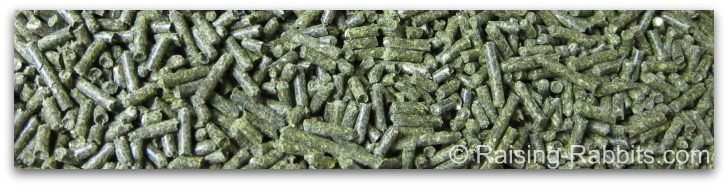
High Quality Commercial Rabbit Food Available in the United States. (#ad)
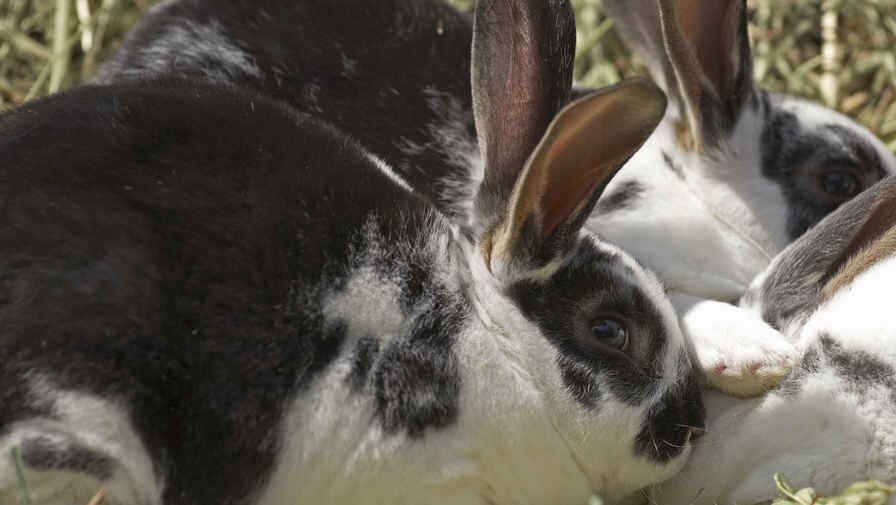
Chew Stix by Raising-Rabbits:
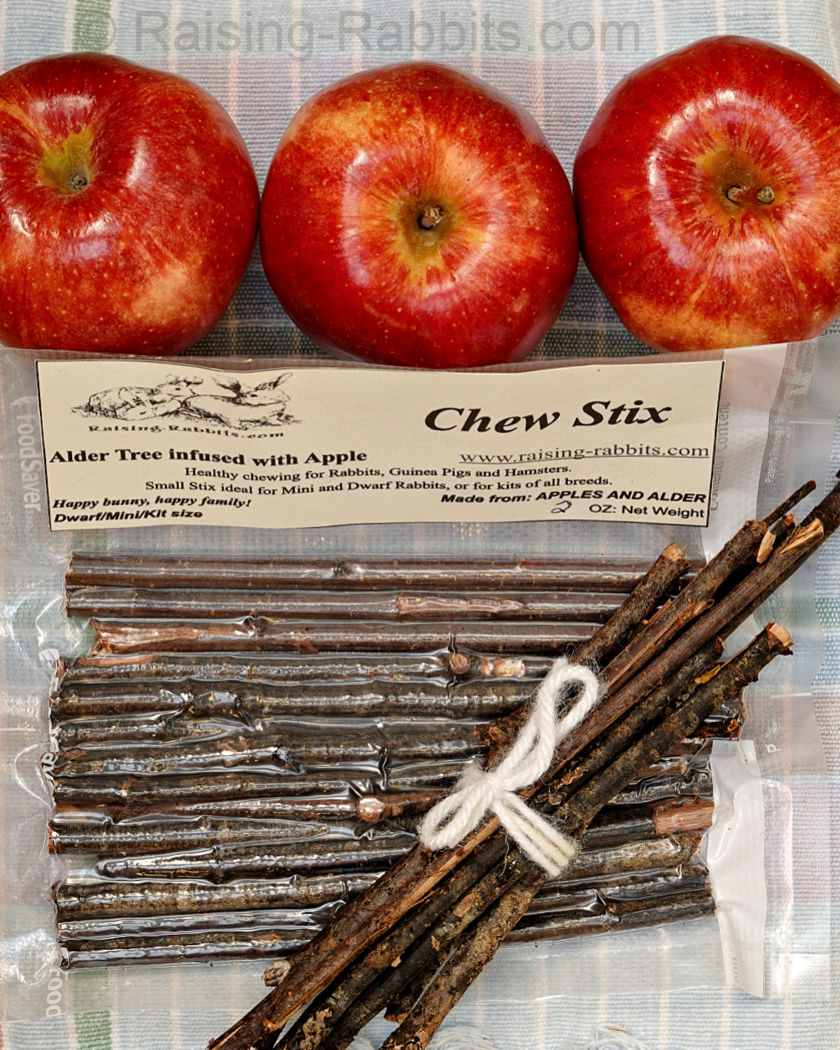
Just the sticks your bunnies need for chewing and gnawing!
Fruit-infused Raising Rabbits Chew Stix are nature's blessings from beautiful Washington State forests and orchards.
Chew Stix are perfect for rabbit dental hygiene and behavior! The apple taste and smell will delight your rabbit, and they can chew to their heart's content, saving your appliance cords and your sanity.

Click the Pic or this link to check out Raising-Rabbits Chew Stix!
Pet Rabbit Maelstrom
The animal rights movement has been battering the pet rabbit arena for years, creating turmoil and confusion. What's cruel? What's not cruel?
The attack on your healthy and humane animal practices is intended to cast doubt on your ability to keep rabbits. Their end game is, eventually, to convince legislators to legislate away your right to keep animals at all.
We at Raising-Rabbits have borne some of the brunt of the storm for you, and as a result have written several articles on Animal Rights topics. You yourself must be secure and solid in your mind of the critical importance of animals for the survival of humanity, and the value of pets as emotional comfort and enjoyment.
Bunnies Day Out!
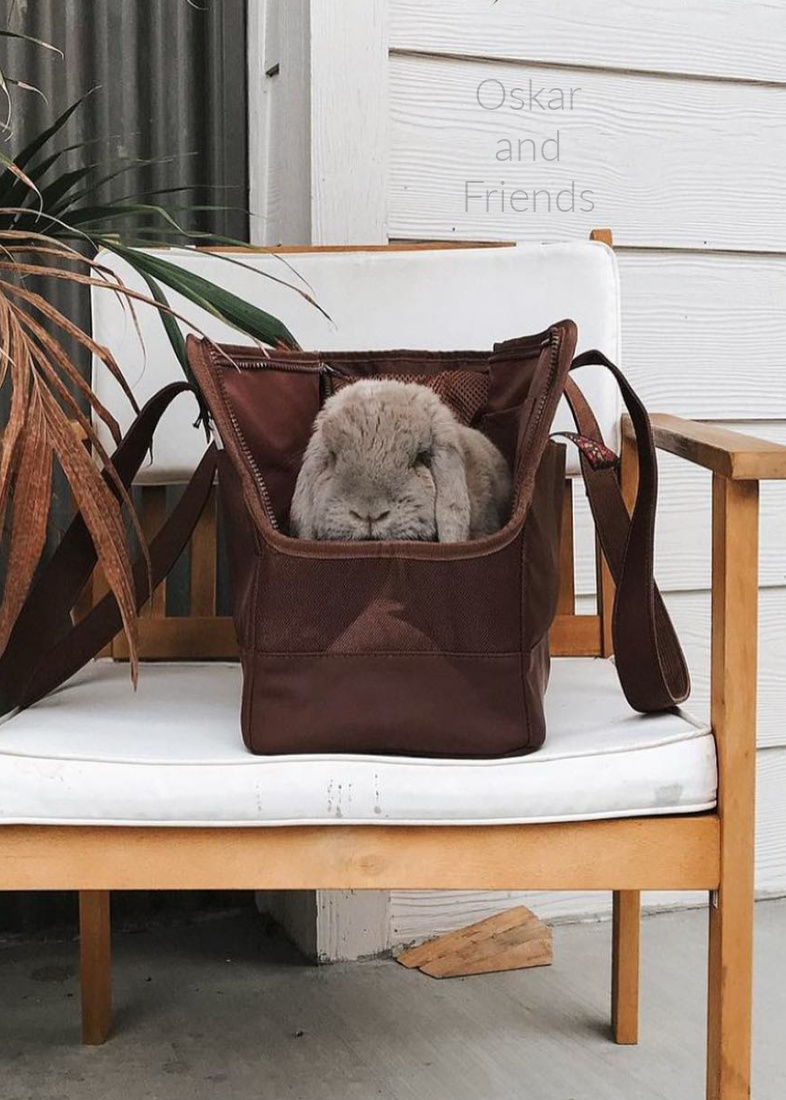
You want your fluffy friend to enjoy life with you, so now you can take them along in comfort and style in a fashionable tote from Oskar and Friends. They can accommodate up to a 15 pound rabbit. The have 3 great styles, the everyday tote (pictured), the travel carrier, and the frontpack/backpack. They also come in several colors. These quality carriers are only $65, so they also make a very reasonable gift.
- Adjustable safety tether and zip top mesh for extra security
- Easy to clean
- Vegan materials including faux leather
- Machine washable bed pad
- Multiple pockets for carrying treats
To find out more about all the great features of the pet carriers from Oskar and Friends, Click Here!
On Rabbits in Cages...
A domestic rabbit, in YOUR cage, has a stress level hovering somewhere near zero, once he becomes familiar with you and your home. If he were out in the wild and left to his devices, he would be terrified for his life, hiding under rocks and burrows, and darting from bush to bush. It's only a matter of time before a hawk or coyote would end its life violently.
So:
1) Don't feel sorry for caged rabbits. They have it very good. (Remember - they don't think like you do.) Treat your rabbit kindly, fill its needs, give it pieces of wood or other articles they can gnaw on. They will help keep the teeth short and its attention captured. You can feel confident that their fear levels are minimal and they are happy with you for a friend.
2) It's not kind or wise to release a domestic rabbit into the wild. (It is illegal to release non-native species into the environment.) They haven't a clue how to stay safe, having been raised in a cage and having had every need provided.
That said, in some climates, feral rabbits thrive, breed, become destructive forces in the environment destroying vegetation, and then become vectors and transmitters of disease and parasites to other domestic and native cottontail rabbit populations.
When the local rabbit population rises, so does the predator
population. As coyotes and foxes move in, they'll catch whatever doesn't run
fast enough -- whether feral rabbits or your favorite Persian or American Curl
cat.
Do You Have a Great Story About Your Pet Rabbit?
Is your rabbit entertaining? Fun? Or not? I'll bet lots of other pet rabbit owners would love to hear it!
Write your own page and tell the world about your pet rabbit. You can include up to 4 pictures, too.
What Other Visitors Have Said
Click below to see contributions from other visitors to this page...
Survivor Rabbit 
I have raised rabbits for years, so when the local feed store called me about a bunny caught in someone's yard, I had to go get her. When I got the little …
Death of Pet Bunny
I recently posted a little note about how my bunny was running around my house making nests in strange places and wondering how this battle for territory …
Female Rabbit? Male Rabbit? Ahhh!! Not rated yet
I have two bunnies, when I got them from the breeder, she said one was a boy, the other a girl. I had not one clue if she was right or wrong. So i just …
Stubborn Rabbit Choosing a Spot Not rated yet
My rabbit keeps going to this certain spot in the house and she won't leave from there. It's behind my bed in the corner. I blocked it off because she …
Pictures of pet rabbit dotty and babies Not rated yet
Hi Haren, here are the pictures I promised I would send of Dotty our French Lop and her babies. Thanks. Brigid
Dotty's Story (posted a few days later): …
Double-Value Guarantee
Our policy is to always OVER-deliver
on value,
which is why your purchase is fully covered by our
Double-Value
Guarantee.
Go ahead - take any of our e-books for a test drive. Peruse our detailed informational and educational e-books. Examine our plans for building rabbit cages, runs, or metal or PVC hutch frames. Check out the Rabbit Husbandry info e-books.
If you aren't completely satisfied that your e-book purchase is worth at least double, triple or even quadruple the price you paid, just drop us a note within 45 days, and we'll refund you the entire cost. That's our Double-Value Guarantee.
Note: When you purchase your
e-books, they will be in PDF format, so you can download them to any device that
supports PDF format. We advise making a back-up copy to a drive or cloud
account. If the books are lost, you can also purchase another copy from Raising-Rabbits.
* Affiliate Links*
As an affiliate of several companies, including Amazon.com, we earn from qualifying purchases. Your purchases from these affiliates come at no extra cost to you.
Bunny Bazaar!
Online Shopping Mall by Raising-Rabbits!
One-Stop Shop for Rabbit Swag for both Buns and Humans
Bunny Branola!
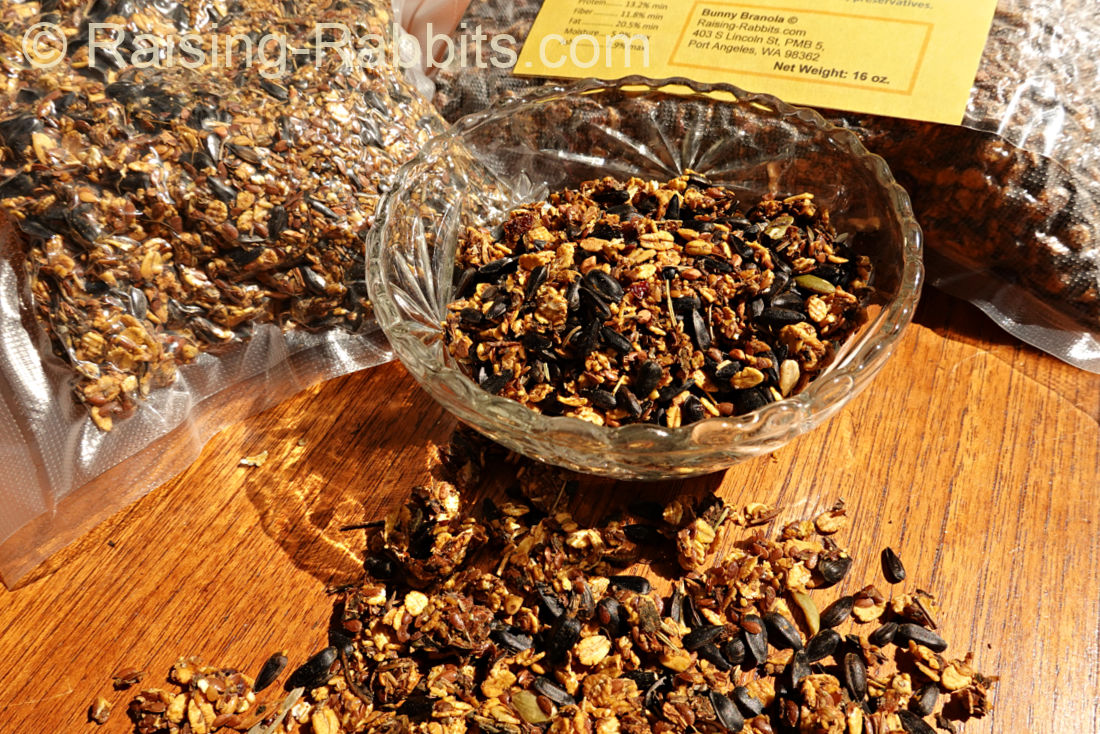
The Ultimate
Rabbit Nutritional Supplement and Treat!
4 delicious flavors! Sample packs available!
Yes! I want more info!
Yes, Buy Bunny Branola Now!
Look What's NEW!!
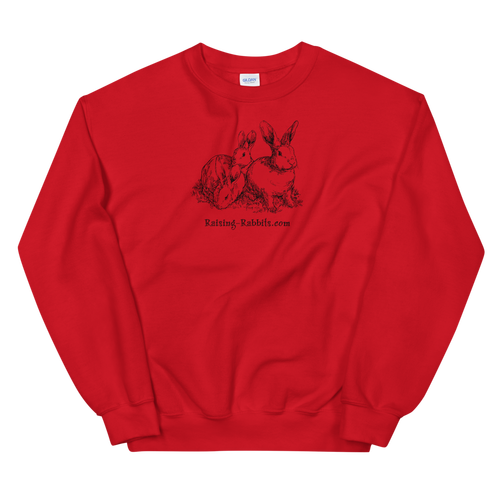
Our very own classy
Raising Rabbits Sweatshirts, T-shirts, and Hoodies!
 |
 |
 |
.
We're now offering classy, unisex
Raising Rabbits
sweatshirts and hoodies,
Available in a great assortment of colors!
(We have unisex T-shirts too.)
Check out the Bunny Bazaar for our gorgeous
garments!
Order your own today!
They make great gifts too!!
Featured Rabbitries:
Click the Rabbitry Name Links:
Canada, Quebec
MapleRidge Stables Rabbitry
Himalayan Rabbits
Arizona
Hostile Hare
Chinchillas, Cages
Illinois
Open Doors Rabbitry
Lionheads, New Zealands
Kentucky
Goshen Bunnies
Holland Lop and Mini Plush Lop
New Jersey
Go Bunny Treats
All Natural Rabbit Treats
Mini Plush Lop Bunnies
All Natural Rabbit Treats
Belle's Bunny Boutique
Holland Lops & Mini Lion Lops
North Carolina
What The Fluffle Rabbitry
New Zealands, Champagnes
Breadbox Rabbitry
Netherland Dwarfs
The Farm at Fort Mill
Holland Lops
(Right across the South Carolina
border at Charlotte)
Pennsylvania
Happily Ever After
Mini Plush Lops, Holland Lops,
Netherland Dwarf, Lionhead,
Mini Plush Lop, & Mini Rex
Bunnies by Emma and Ellie
Holland Lop, Mini Lop,
Mini Plush Lop,
Mini Rex/Holland Lop Mix
Rhode Island
Shepherds Purse Rabbitry
Holland Lops
South Carolina
Jubilee Farms
Holland Lops
Washington
Cotton Candie Tails
Lionheads, Vienna-Marked
Subscribe to Rabbit Rhythms,
our e-newsletter !
Get rabbit news, husbandry and health tips mostly every month. It's easy - we only need your email address, then hit the 'subscribe' button. Enjoy!
Recent Articles


-
Mama Rabbit Preparing Her Babies Crib
Apr 25, 24 02:55 PM
 I caught my doe busy in her crib making occupation one day. She didn't care for my camera, and certainly seemed to feel uneasy in her mind that I should
 -
Raw Rabbit: Order raw frozen rabbit for pets
Mar 25, 24 07:45 PM
 Raw rabbit. Convenient online ordering of raw frozen rabbit as whole prey, partially processed, or ground, for feeding pets species-appropriate meals
 -
Farm at Fort Mill
Mar 01, 24 03:22 PM
 Farm at Fort Mill has moved. It is now Jubilee Farms Holland Lops, part of Edgemoor Equestrian, in Edgemoor SC. They offer riding lessons and host events.



Raising-Rabbits: Home of
The Rabbit Raising Problem Solver
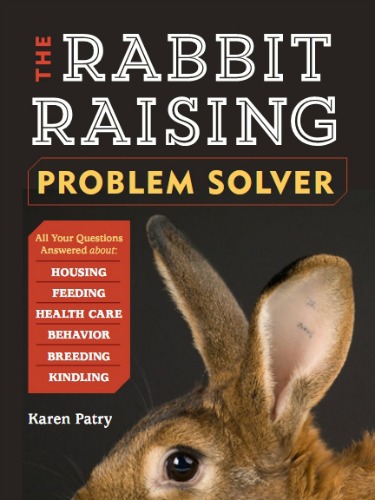
$22.62 - includes
- 10% off your autographed copy of Rabbit Raising Problem Solver
- All packaging, handling, and Media Mail postage costs (WA residents are subject to sales tax)
- Applies to US addresses - (sadly, Media Mail is not offered for international shipping, not even for really awesome books)
- (International shipping is available, of course, but it's out of our control how much they charge for shipping. Send us your country, city, and area code to obtain a shipping quote.)
* Affiliate Links*
As an affiliate of several companies, including Amazon.com, we earn from qualifying purchases. Your purchases from these affiliates come at no extra cost to you.

New! Comments
Have your say about what you just read! Leave me a comment in the box below.