Rabbit Farming
With few exceptions, rabbit farming on a small scale,
or even not-so-small, is possible no matter where you live.
This page is our rabbit husbandry hub page - links to the nitty gritty of providing the best hands-on care for livestock rabbits, whether a hobby rabbitry such as a show rabbit herd, a homestead herd, or a commercial enterprise.
Commercial Rabbit Farming
Many thanks to Carla Carter for the following three guest posts. Carla is the owner of Rabbits4U, a commercial rabbit operation and breeder network that supplies raw frozen rabbits for pet dogs and cats.
- Raising Rabbits for Meat: Intro to Commercial
Rabbit Production - Profitability in Commercial Rabbit Production
- Feeding Commercial Rabbits for Rapid Growth
Choose a rabbit breed with rapid weight gains and adaptability to your climate. Well known for their commercial potential - large litters, excellent mothering, prepotent bucks, kits that reach 5 pounds in 8 weeks - are:
- New Zealand Whites
- Californians
- Production Whites (Altex or other commercial crosses containing the blood of the best commercial breeds)
- A combination of these
Some strains of Silver Fox, American rabbits, Satins, and other meat rabbit breeds may also compete well. Learn the strain's performance record before incorporating it into your stock, as the success of a commercial rabbit production
enterprise will depend on getting many fryers to market by 8 weeks of age.
Like cattle ranchers and chicken or egg ranch farmers, the commercial rabbit farmer is in it to put food on the family table. It is possible to make a living, as long as there are enough rabbits in the herd, and the processes are optimized.
- Rapid reproduction is in a rabbit's DNA. They're rabbits - they multiply like rabbits.
- Optimum rabbit welfare is a rabbit farmer's chief focus, because it is good for both the rabbit and the business.
Sponsored Links
Hobby and Homestead
"It's a herd, not a hoard"
Show rabbits are also classified as livestock. Breeders typically keep enough representatives of their chosen breed in their rabbitry to continue improving on the quality of the animals.
If you're raising meat rabbits in your backyard or country acre for your own use and that of your pets, your rabbit breed choices will expand to fit your preferences and needs. Just know that, while "all rabbits are made of meat," some breeds, even if they're big ones, might not yield as much meat as other breeds.
You will likely need rabbit pedigrees for your show rabbits and meat rabbits.
Starting your Rabbitry or Farm
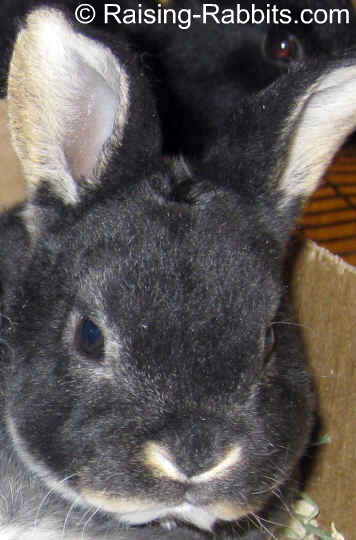
To start out farming rabbits, in the big city or in the country, your best choice is to start with just a few rabbits at first. This is in order that you can learn the needs of your rabbits and get comfortable with the whole process so that any mistakes don't result in irrecoverable losses.
Getting Started:
- Start with a buck and two does.
- The does will each need TWO cages measuring 36 inches by 30 inches. One cage will house the doe, and her litter up until 6 weeks of age. At this point the cage will be getting crowded. Move the doe to the second cage, which will wean the kits without undue stress. The kits will remain in the first cage until market day.
- Butcher when the young rabbits reach 4.5 to 6 pounds. Market day typically falls between 8-12 weeks of age, depending on breed, quality of feed, and specifications of the market.
- Down the road, when it’s time to think about replacing your brood does, you will want a couple more cages. Retain a couple large and healthy young females out of your litters, and grow them to 7-8 months. At this point you can retire the older doe, and put the new doe into service.
- Hopefully you won’t need to replace the buck for several years.
As your confidence and understanding of rabbit husbandry grow, you will be able to make your next choices and decisions from a position of expertise.
Eco-Friendly Rabbit Farming in Ukraine/Hungary
(Very interesting - off-site page opens in new window)
House the Herd
Simple and clean is best for your rabbits and their health.
Set up your barn or rabbitry in such a way that your list of chores will be shorter, not longer.
- Single tiers of cages are always easier, if space allows
- Place worm beds under the cages. This adds the possibility of another income stream to the bottom line.
- Ensure excellent air circulation to minimize respiratory distress or ammonia odor build-up. (Worms and fly predators help to safely control smells)
Each rabbit will need its own cage.
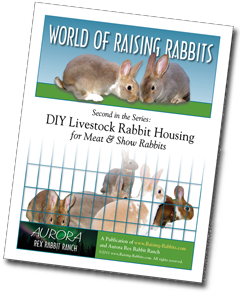
Consider building your own detachable rabbit cages and rabbit hutch frames. We offer a few free plans, and you can purchase our full collection of enhanced and illustrated plans.
More info at Rabbit Hutch Building Plans and at World of Raising Rabbits
Building your own rabbit cages allows you to increase your rabbit farming project at your own rate. When you run out of rabbit housing space, you can build more.
At some point, a growing commercial operation may shell out the big bucks for a commercial-grade cage system, complete with built-in nesting boxes and manure disposal.
(In the meantime, building your own cages is cost-effective and not difficult...)
Are Cages a Must?
For hobby breeding or any kind of commercial rabbit enterprise: Yes. It is the only way to manage a breeding program, or to keep the rabbits safe, healthy, and reproducing. Any breakdown in the process results in red ink on the bottom line.
How about raising rabbits in colonies?
There are whole online forums filled with people who colony-raise their rabbits. They love doing it, and it seems wonderfully humane. What's not to love?
Rabbit colonies, unless extreme measures are taken, typically result in escapees, disease and parasites, death by fighting, loss of kits for many reasons, and predation of up to 70% of the offspring, possibly.
I guarantee they are not colony-raising on a commercial scale. If you lose half your market animals to the local feral or wild predators and all their buddies, it'll be YOU going hungry.
Rabbit Herd Health
Understand and manage the most frequently encountered rabbit diseases, parasites, infections, and non-infectious challenges to rabbit health.
Barn conditions and rabbit husbandry practices that contribute to herd health.
Lactation and Condition Enhancers:
Rabbit Farming Chores
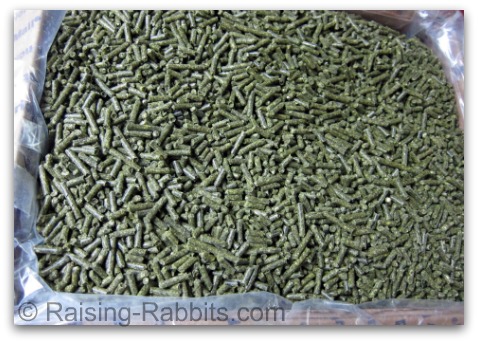
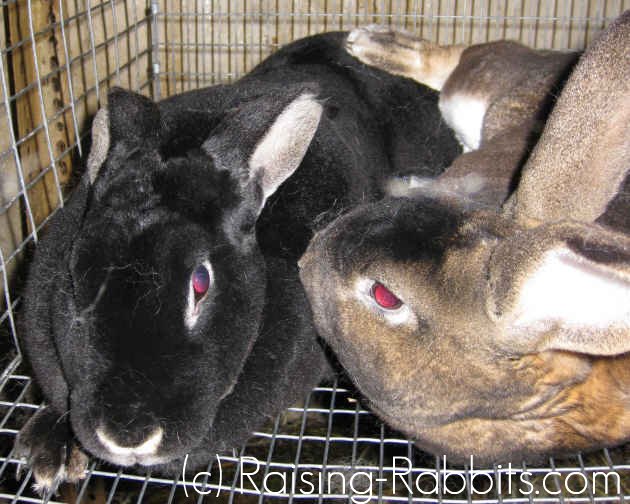
Conditioning
Rabbits for Show
The same conditioning mix will also improve your pregnant and/or
lactating rabbits' nutritional status.

Cooling Rabbits
Keeping rabbits cool in hot climates is essential for the survival of your rabbits.
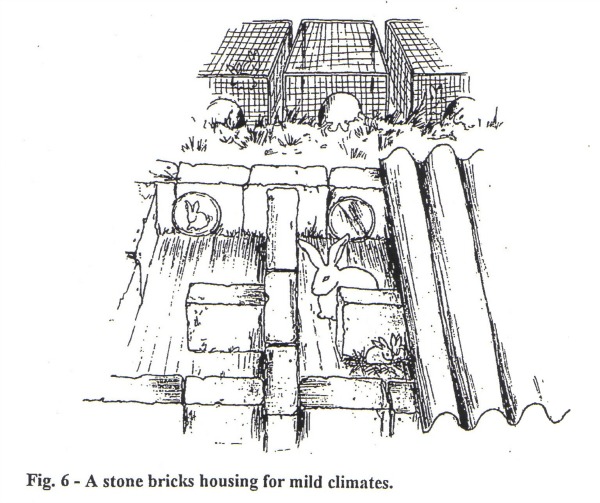
Outdoor Rabbits in the Winter
Can rabbits handle freezing temps? Yes! Here are ways to keep rabbits fed, warm, and safe during wintertime.
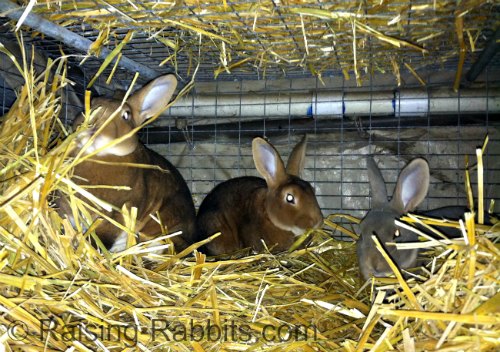
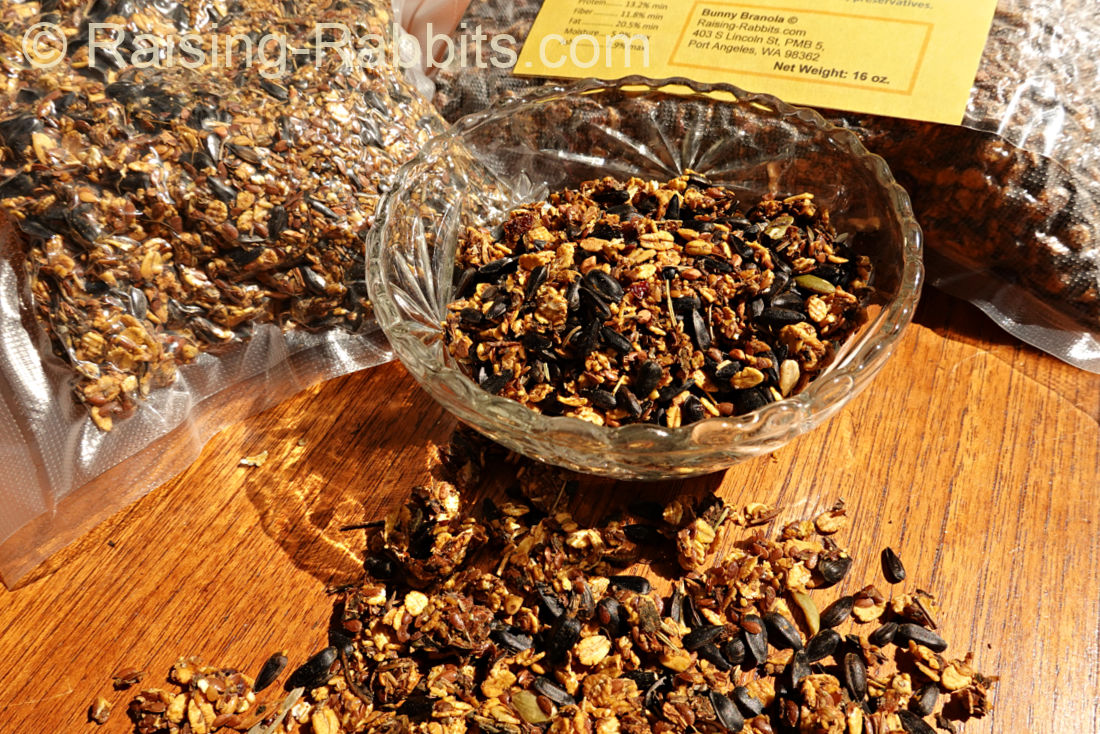
Bunny Branola - Ultimate Rabbit Nutritional Supplement, and Treat!
What rabbit wouldn't love Bunny Bran??!
One Tablespoon per day of our tasty and nutritious rabbit food supplement
sprinkled on their regular food is all your bunny needs to be happier and healthier.
- Bunny Branola makes fur softer and shinier, teeth and tummies healthier, and helps relieve stress due to things like barking dogs, new situations, or ultra cold winters.
- Bunny Branola is a wonderful rabbit superfood supplement for pregnant bunnies and growing bunnies.
FLY CONTROL
Rabbits are quiet, timid, and unobtrusive. In other words, rabbit farming is easy on the neighbors, as long as you keep the flies under control.
Keep the droppings raked up and tilled into the garden or moved to a covered compost heap
Set up worm beds under your cages
Keep a few chickens, ducks or both, to snap the flies out of the air and to devour the fly maggots and other insects before their numbers get out of hand. There's a huge benefit to this last suggestion - "free" eggs!
Fly Predators are a fabulous and very effective way to wipe out your fly population. It's safe, non-poisonous, and completely natural. Plus, Fly Predators CAN be used successfully in conjunction with chickens to nearly eradicate flies.

Learn more at our Fly Predators page.
Ammonia smell in animal urine can be dangerous to your animals, so eliminating ammonia odors is essential. And all the better if it's easy to do. With Spalding Labs’ Bye Bye Odor, rabbit farming is that much easier - just ‘spritz spritz spritz.’ Voila, odors minimized.
Learn more at Ammonia Levels, or...
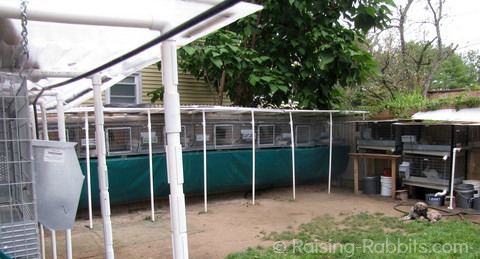
Rabbit farming results in lots of manure. Some outdoor systems allow the rabbit manure to fall to the ground, where it can be shoveled before the piles grow too large.
But, we wanted to bring your attention to an
ingenious manure collection system that our friend Lisa in Connecticut set up. Maybe something like this
could simplify your life, too?
Protect the Herd from Rabbit Predators
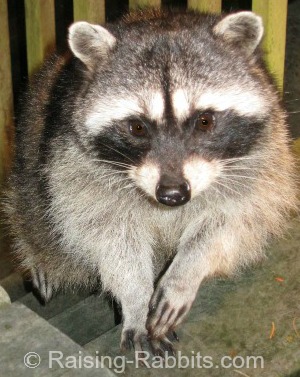 |
Do not for a minute underestimate the capability, brute strength, and determination of raccoons, coyotes, foxes, weasels, bears, eagles, hawks, mountain lions, snakes, rats, and other predators to rip a flimsy rabbit hutch to pieces and help themselves to the rabbit(s) inside the hutch. |
Maximize Your
Rabbit Farming Products
Meat, Fur, Wool, and more
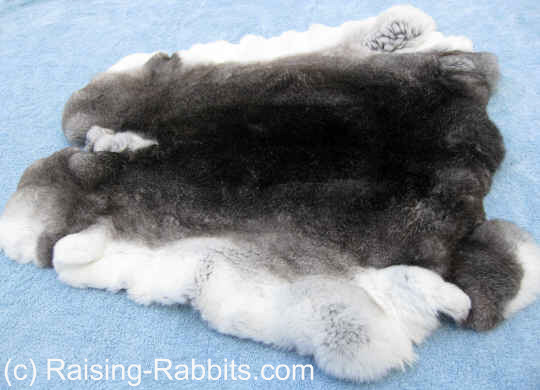
Rabbit farming is not a "Get Rich Quick" scheme. But the more products that your rabbit farm can market, the more likely it is that you may eventually make your hobby a profitable one, and then quit your day job.
Note that there may be state and federal regulations that apply to your enterprise. Be sure to do your due diligence and educate yourself as to the applicable laws and regulations in your state, province, or region.
You Can Sell...
- Fryer rabbits. Market fryers are sold live by weight to a meat processor
- Meat. Sell whole or cut up, frozen or fresh. Meat can be sold by the unit or by the pound, and prices vary by area.
- Breeding Stock. Other breeders or individuals new to rabbit farming may be looking for high quality pedigreed and healthy rabbits that are excellent representatives of their breed.
- Homemade Pet Food. Cats are considered obligate carnivores with digestive systems that rely solely on raw meat. Dogs are very nearly so. Feed them a species-appropriate diet, and their health improves, sometimes dramatically.
See Raw Rabbit. (Would you be interested in raising meat rabbits for the pet market? Let us know!) - Rabbit pelts. Rex pelts are in high demand in the USA and in Europe. The big name furriers need "bundles" of at least 40 matching pelts in order to craft their fine garments.
Rex is not the only sought after breed. White, black, chinchilla and wild agouti pelts of various breeds are also desirable.
The most valuable pelts are the senior primes, harvested between October and March (in the Northern Hemisphere) when the adult winter coats are fully prime (no sign of molt).
- Sell 'green' (preserved but not tanned) pelts
- Sell your professionally tanned pelts to a furrier
- Tan your own rabbit pelts (or have the professionals do it) and utilize them yourself by making and marketing the garments, mocs, blankets, pet toys (and more)
- Wool
(fiber). Angora wool can be sheared or plucked every few months. Sell
the loose wool, or spin it and sell the fiber. Or, create your own
angora products such as caps, shawls, sweaters, socks and blankets for sale.
For more info on wooled breeds, see Angora
Rabbits, and German Angoras.
- Manure/fertilizer/mulch. There's a plethora of uses for the brown gold
that accumulates (rapidly!) under the rabbit cages. Sell it by the pick-up load -
gardeners LOVE it. Sell it by the used feed bag. Sell it composted or
fresh. Offer a low "U-Shovel" rate to your gardening
buddies.
- Fresh Vegetables. If you have a vegetable garden on which you've spread copious amounts of rabbit manure, you're likely to reap an abundance of veggies. You can sell your surplus fresh vegetables at the local Farmer's Market or to friends and neighbors.
- Worms.
Several species of worms may inhabit rabbit droppings. Large, well-fed
earthworms and red wrigglers (and whatever other name they go by in your
area) are valuable to fishermen and to others wishing to populate their
own worm bin projects.
- Rabbit Recipes and cook books. Compile your favorites into a cookbook and market it with your other products.
Rabbit Farming: Market Day
Harvest The Rabbits
Killing Rabbits
Butcher your meat rabbits or euthanize
your culls
Slaughtering Rabbits
how to remove the rabbit pelt, clean the rabbit carcass and cut up the rabbit meat
Do you get grossed out at the idea of killing and butchering rabbits?
Are you of the opinion that butchering rabbits is cruel?
That humans don't need meat? That we're herbivores by nature?
If so, then I wonder that you've read this far.
Humans have been meat-eaters throughout the entire time frame of recorded human history, and our digestive system is still a meat-eating one. Humans are healthiest for the long term when we eat at least some part of our diet in (grass-fed) animal protein and animal-based fats on a regular basis.
How do I know? There is not a single human on this planet that can digest the complex cellulose in plants. And in fact, neither can herbivores.
But true herbivores utilize armies of bacteria and other life forms to do the digesting for them. These are mechanisms that humans will never be able to employ. Humans don't have the anatomy OR physiology that herbivores have.
Eating only plants eventually exposes humans to insurmountable nutritional shortfalls that can become crippling or fatal, if one does not consume compensating nutritional supplements.
It cannot be considered cruel to butcher and eat meat when consumption of animal protein is a requirement of the human body for long-term health.
Have we evolved beyond the point where we
need to kill in order to eat, as some believe? "We're intelligent enough to find other
ways to eat that don't involve killing another animal," I've been told.
But, apparently there ARE no other options...
The fact that dietary vitamin supplements are essential for vegans to remain healthy is stark proof that a vegan diet is inadequate for long-term health.
You can certainly try it for yourself, though...
Certified Holistic Health Counselor Alex Jamieson did...
http://alexandrajamieson.com/im-not-vegan-anymore/
Ms. Jamieson's conclusion:
"I believe there is a middle way. There is no ONE way that everyone should live or eat. People can still love animals and care about protecting the environment AND honor their own animal bodies and consume the foods that they need."
We're omnivores. There is no shame in accepting the truth.
Learn
more about animal rights, animal welfare, and human health here.
Add your Comments or
Share your Experiences!
Your comments or experiences can help others who read them. So, comment away, and if you have pictures, you can post up to four of them. Pictures are always helpful.
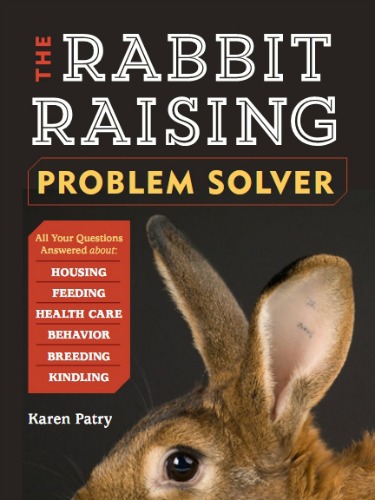
(Have questions? Perhaps your question was already asked, and answered, below. If not, Karen has answered hundreds of your questions in her book: Rabbit Raising Problem Solver, covering every aspect of pet rabbit and livestock rabbit care as well as rabbit health and disease. We recommend it!)
Comments from Other Visitors...
Click below to see additional posts that other visitors have made to this page...
Replacing does when time 
I am just getting back, after many years, into the meat rabbit business. I plan to keep it small and mainly for our own use. I am starting out with one …
Rabbit Fryer Butcher Age
Raising Californian Rabbits for the freezer. We are first time rabbit owners and have no idea what the recommended size/weight/age to harvest the babies? …
Optimum nesting structures
I have had several problem with nesting with my rabbits in that many of my clutches fail because of cold or rain. Obviously my nests are outside as it …
HAVING BABIES
We bought our New Zealands with the intentions on raising them for meat. I was told that they could not have kits until they were 8 to 10 months old. About …
Doing Rabbit Farming Research
I am doing research on rabbit farming. I am retired and have over an acre of land in Mobile, Alabama near Mobile Bay. There are lots of wild rabbits around …
Rabbits for Dog Food Not rated yet
I am considering raising rabbits to feed to my dogs as a raw diet. Does anyone have experience with this? Do you dress the rabbits before feeding?
…
Where to find rabbits for meat production Not rated yet
The only rabbit sources I have found are for show rabbits and seem to be fairly expensive. Where do you suggest we search for rabbits to start our food …
Tanning your own pelts Not rated yet
I was just wondering if you ever tan your own rabbit hides to make things out of. I'm considering doing it just for my little family, thought it was …
Bethany Boyd Not rated yet
Just wanted to post a pic of our newest member of the family, our red NZ, should give us some nice show buns for 4H, (her last litter had a trio that entered …
Suspicious please help! Not rated yet
I was worried about two of my mixed breed rabbits today. As I was trimming their nails I noticed they had snot! And it was stringy, It doesn't appear as …
Double-Value Guarantee
Our policy is to always OVER-deliver
on value,
which is why your purchase is fully covered by our
Double-Value
Guarantee.
Go ahead - take any of our e-books for a test drive. Peruse our detailed informational and educational e-books. Examine our plans for building rabbit cages, runs, or metal or PVC hutch frames. Check out the Rabbit Husbandry info e-books.
If you aren't completely satisfied that your e-book purchase is worth at least double, triple or even quadruple the price you paid, just drop us a note within 45 days, and we'll refund you the entire cost. That's our Double-Value Guarantee.
Note: When you purchase your
e-books, they will be in PDF format, so you can download them to any device that
supports PDF format. We advise making a back-up copy to a drive or cloud
account. If the books are lost, you can also purchase another copy from Raising-Rabbits.
* Affiliate Links*
As an affiliate of several companies, including Amazon.com, we earn from qualifying purchases. Your purchases from these affiliates come at no extra cost to you.
Bunny Bazaar!
Online Shopping Mall by Raising-Rabbits!
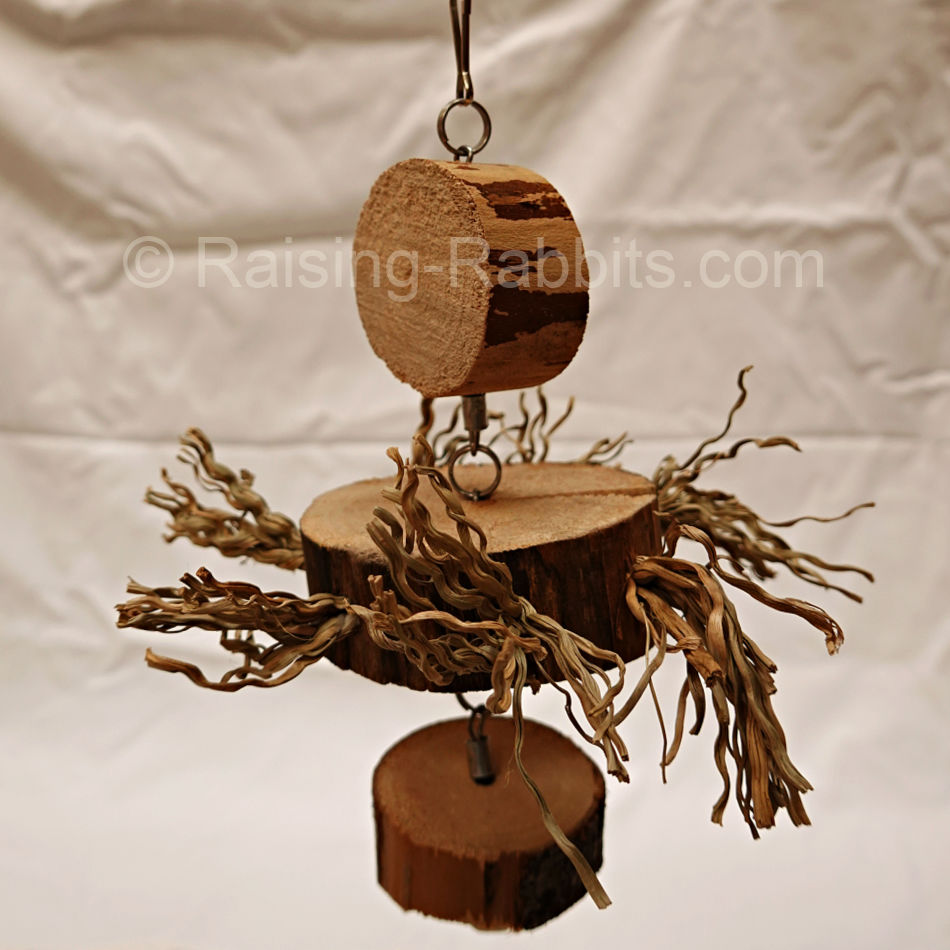
One-Stop Shop for Rabbit Swag for both Buns and Humans
Bunny Branola!
The Ultimate
Rabbit Nutritional Supplement and Treat!
4 delicious flavors! Sample packs available!
Yes! I want more info!
Yes, Buy Bunny Branola Now!
Look What's NEW!!
Our very own classy
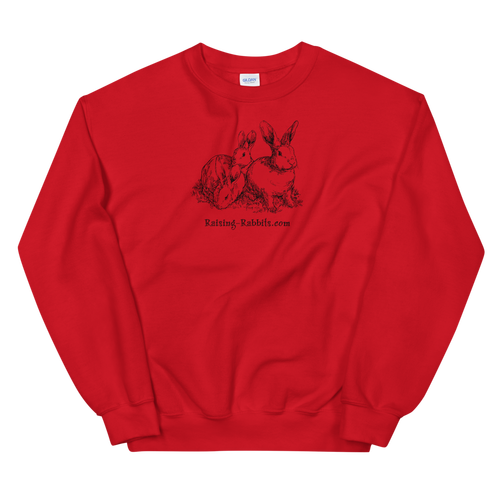
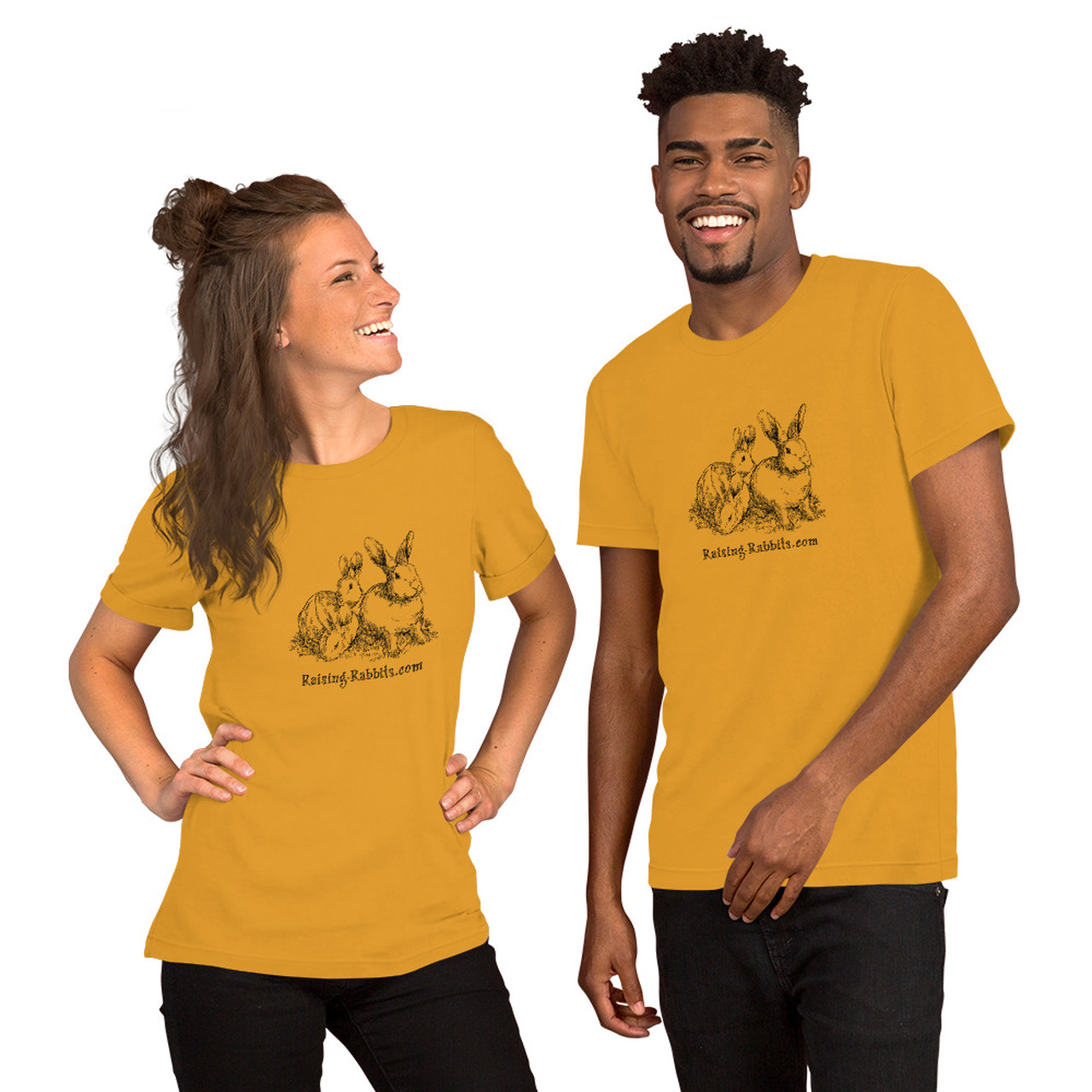
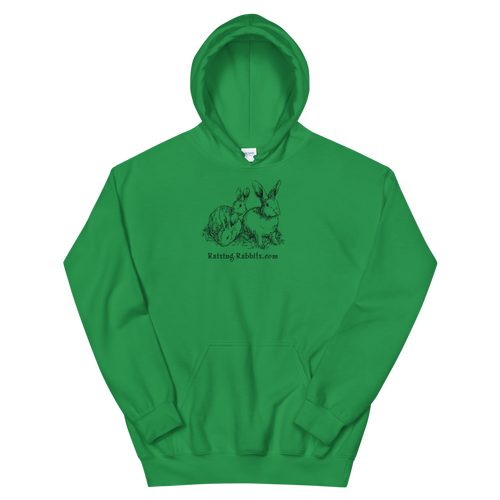
Raising Rabbits Sweatshirts, T-shirts, and Hoodies!
 |
 |
 |
.
We're now offering classy, unisex
Raising Rabbits
sweatshirts and hoodies,
Available in a great assortment of colors!
(We have unisex T-shirts too.)
Check out the Bunny Bazaar for our gorgeous
garments!
Order your own today!
They make great gifts too!!
Featured Rabbitries:
Click the Rabbitry Name Links:
Canada, Quebec
MapleRidge Stables Rabbitry
Himalayan Rabbits
Arizona
Hostile Hare
Chinchillas, Cages
Illinois
Open Doors Rabbitry
Lionheads, New Zealands
Kentucky
Goshen Bunnies
Holland Lop and Mini Plush Lop
New Jersey
Go Bunny Treats
All Natural Rabbit Treats
Mini Plush Lop Bunnies
All Natural Rabbit Treats
Belle's Bunny Boutique
Holland Lops & Mini Lion Lops
North Carolina
What The Fluffle Rabbitry
New Zealands, Champagnes
Breadbox Rabbitry
Netherland Dwarfs
The Farm at Fort Mill
Holland Lops
(Right across the South Carolina
border at Charlotte)
Pennsylvania
Happily Ever After
Mini Plush Lops, Holland Lops,
Netherland Dwarf, Lionhead,
Mini Plush Lop, & Mini Rex
Bunnies by Emma and Ellie
Holland Lop, Mini Lop,
Mini Plush Lop,
Mini Rex/Holland Lop Mix
Rhode Island
Shepherds Purse Rabbitry
Holland Lops
South Carolina
Jubilee Farms
Holland Lops
Washington
Cotton Candie Tails
Lionheads, Vienna-Marked
Subscribe to Rabbit Rhythms,
our e-newsletter !
Get rabbit news, husbandry and health tips mostly every month. It's easy - we only need your email address, then hit the 'subscribe' button. Enjoy!
Recent Articles


-
Mama Rabbit Preparing Her Babies Crib
Apr 25, 24 02:55 PM
 I caught my doe busy in her crib making occupation one day. She didn't care for my camera, and certainly seemed to feel uneasy in her mind that I should
 -
Raw Rabbit: Order raw frozen rabbit for pets
Mar 25, 24 07:45 PM
 Raw rabbit. Convenient online ordering of raw frozen rabbit as whole prey, partially processed, or ground, for feeding pets species-appropriate meals
 -
Farm at Fort Mill
Mar 01, 24 03:22 PM
 Farm at Fort Mill has moved. It is now Jubilee Farms Holland Lops, part of Edgemoor Equestrian, in Edgemoor SC. They offer riding lessons and host events.


Raising-Rabbits: Home of
The Rabbit Raising Problem Solver
$22.62 - includes
- 10% off your autographed copy of Rabbit Raising Problem Solver
- All packaging, handling, and Media Mail postage costs (WA residents are subject to sales tax)
- Applies to US addresses - (sadly, Media Mail is not offered for international shipping, not even for really awesome books)
- (International shipping is available, of course, but it's out of our control how much they charge for shipping. Send us your country, city, and area code to obtain a shipping quote.)
* Affiliate Links*
As an affiliate of several companies, including Amazon.com, we earn from qualifying purchases. Your purchases from these affiliates come at no extra cost to you.

New! Comments
Have your say about what you just read! Leave me a comment in the box below.