Pet Safe Plants
Pet Safe Plants. You should be able to safely feed your rabbits (or herbivore pets) plants from this long list of rabbit-safe plants. You'll also find tips about possibly toxic plants below.
Pet rabbit owners and rabbit breeders frequently feed their rabbits commercial rabbit pellets. But, with the rising costs of feed, and with the dire threat of GMO plants having become a dangerous reality, more and more rabbit owners are looking into other ways to feed our rabbits.
You CAN effectively feed your rabbits with fresh-gathered rabbit food, and keep your rabbits healthy. It helps to gain a little knowledge ahead of time.
Know the nutritional needs of your rabbit, so you will know which pet safe plants can fill those nutrient needs. This is where an excellent nutritional resource like Rabbit Production comes in very handy. We highly recommend this scientific resource.
Don't poison your rabbit! That's where this page comes in -- we think we've compiled a very useful list of pet safe plants that can guide you in your quest to safely feed your pet rabbit, show rabbit, meat rabbit or wool rabbit.
Our list of 'probably' pet safe plants is drawn from many many sources, including our own experiences and those of other rabbit breeders with whom we have communicated.
We cannot certify the following list as being infallibly safe. Please implement at your own risk while doing your own research. Nevertheless, we believe we would be willing to feed any of these pet safe plants to our own rabbits.
Herbs to Boost Immunity in Rabbits: Check out this article by NWEdible. The author strikes me as wise and realistic about rabbit health; perhaps her research about immune-boosting herbs has some validity and will be helpful to you too.
This edition of Rabbit Production is dated 2022.
I have the 2013 volume, and a hardback copy of the 5th edition (1987) which I've used for many years. The older editions still offer valid and valuable information.
Pet Safe Plants
These foods are okay for rabbits:
- Alder
- Alfalfa
- Apple, fruit, twigs/branches and leaves (not seeds)
- Artichoke
- Ash twigs/branches
- Asparagus
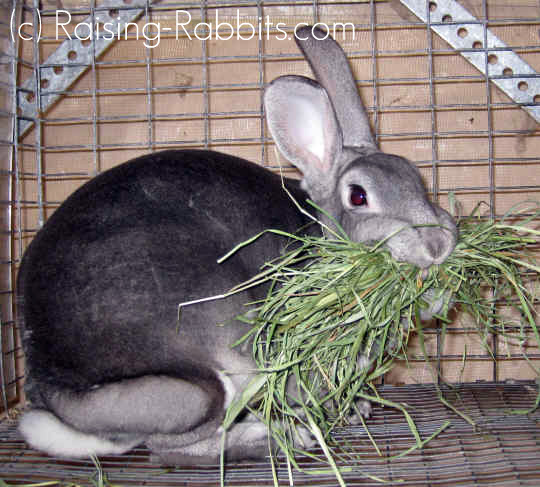
- Banana
- Basil and blooms
- Beets and tops
- Birch twigs/branches
- Blackberry, brambles, leaves, berries
- Black cherry
- Black Oil Sunflower Seeds
- Blueberry, and bushes
- Bluegrasses
- Bok choy - limit due to possible gas build up
- Borage and blooms
- Broccoli - limit due to possible gas build up
- Brussels sprouts - limit due to possible gas build up
- Calendula (pot marigold)
- Caraway
- Carrots and tops (limit - high sugar content)
- Cauliflower - limit due to possible gas build up
- Celery
- Celeriac
- Cereal grains
- Chamomile and blooms
- Chervil
- Chicory
Chew Stix by Raising-Rabbits:
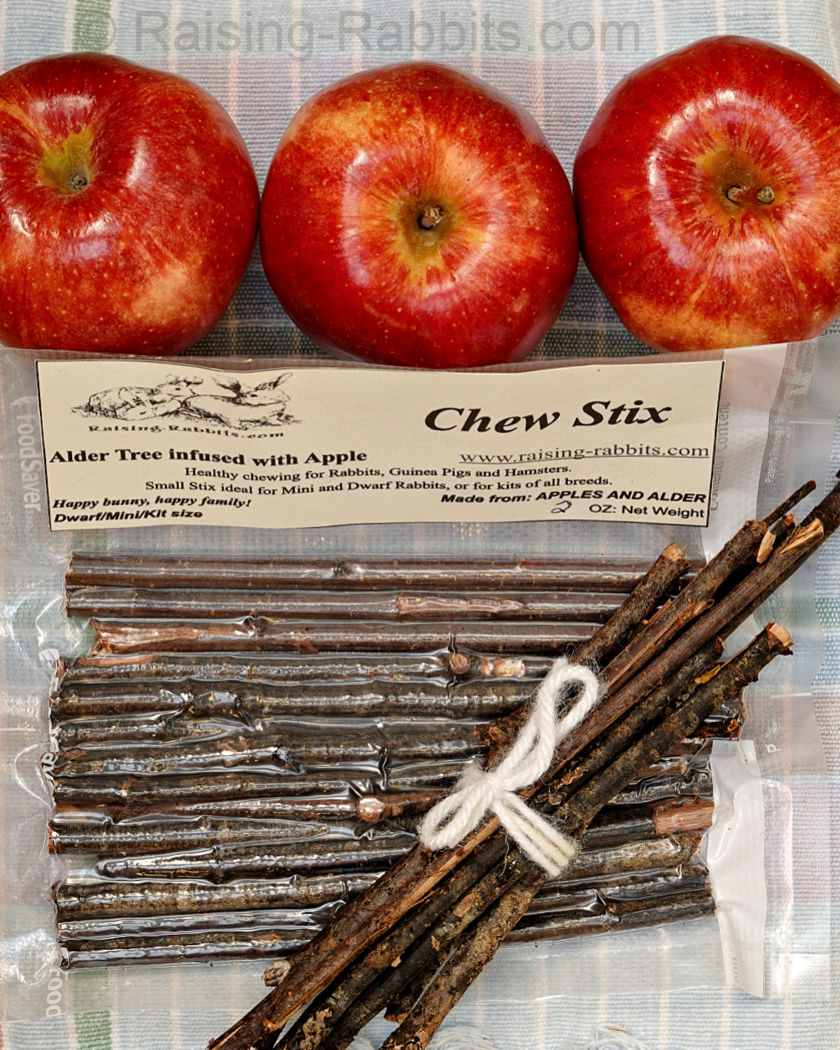
Just the sticks your bunnies need for chewing and gnawing!
Fruit-infused Raising Rabbits Chew Stix are nature's blessings from beautiful Washington State forests and orchards.
Chew Stix are perfect for rabbit dental hygiene and behavior! The apple taste and smell will delight your rabbit, and they can chew to their heart's content, saving your appliance cords and your sanity.
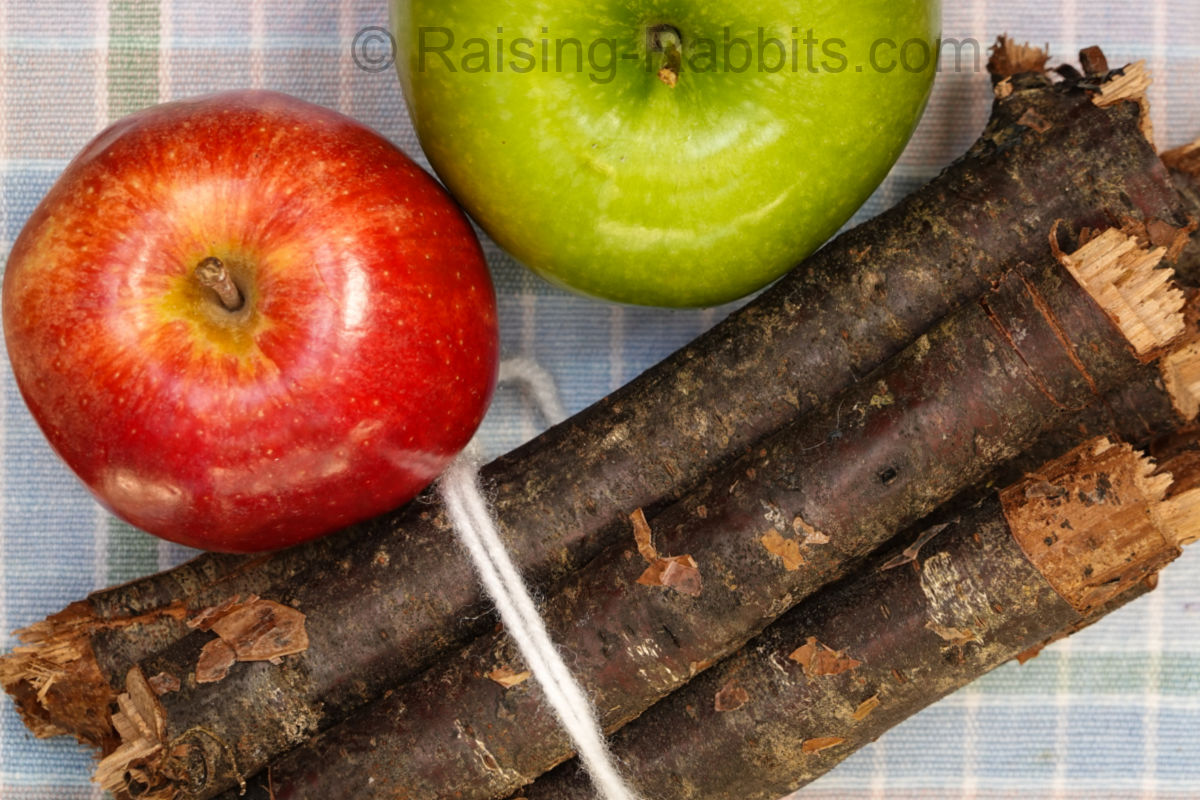
Click the Pic or this link to check out Raising-Rabbits Chew Stix!
- Clovers and blooms
- Coltsfoot
- Comfrey
- Coriander (Cilantro) and blooms
- Corn (IF you can find or grow it non-GMO.) Go very easy on corn (due to high carbs).
- Cowberry, and bushes
- Crabapple, all but the seeds
- Crabgrass
- Curly dock
- Daisies and blooms
- Dame's Rocket
- Dandelion, whole plant and blooms
- Day Lily and blooms
- Dewberry
- Dill and blooms
- Dogwood
- Echinacea
- Endive - limit due to possible gas build up
- Evening Primrose
- Fennel and blooms
- Fireweed
- Gallberry
- Garden Cress
- Garden Nasturtium/Indian Cress
- Gladiolus blooms
- Goutweed
- Grains (wheat, oat, barley, milo, millet)
- Grapes, vines, leaves (organic only)
- Great Plantain and blooms
- Great Willow Herb
- Hazel twigs/branches
- Holly
- Horse nettle
- Huckleberry, leaves, berries,
- Hyssop and blooms
- Jalapenos
- Jasmine blooms
- Jerusalem Artichoke
- Juniper twigs/branches
- Kale (curly and fodder) - go easy, due to possible gas build up
- Kohlrabi - limit due to possible gas build up
- Kudzu
- Lady's Mantle
- Lavender (plus, may facilitate kindling)
- Lemon Balm
- Lespedezas
- Lettuce - dark green varieties are by far the best
- Locust
- Lovage
Recommended!
Sherwood Pet Health Adult and Baby Pet Rabbit Food
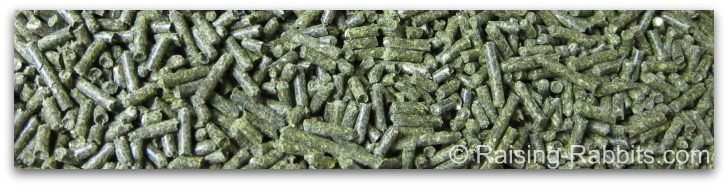
High Quality Commercial Rabbit Food Available in the United States
- Mango
- Maple twigs/branches
- Marigold
- Marjoram
- Melon
- Mulberry, branches and leaves
- Mustard Greens and flowers
- Nasturtium
- Nettles, dried (but doesn't seem to bother the rabbits when fed green)
- New jersey tea
- Oats, whole, crimped or rolled ('old fashioned')
- Okra
- Oranges
- Orchard Grass/Hay
- Oregano
- Oxeye Daisy/Marguerite
- Panicum
- Papaya (if fresh, contains helpful enzymes that can help reduce fur block)
- Parsley and parsley root (promotes favorable GI bacterial balance)
- Parsnips (go easy on account of high sugar content)
- Paspalum
- Purselane
- Peach (fruit only)
- Pear fruit, twigs/branches and leaves (not seeds)
- Peppermint and bee balm (but dries up a lactating doe)
- Peppers (green, etc)
- Pine (avoid feeding cones to breeding-age does)
- Pineapple (if fresh, contains helpful enzymes that can help reduce fur block)
- Plantain and blooms
- Poison ivy
- Poplar twigs/branches
- Pot Marigold
- Pumpkin
- Radishes and tops
- Ragweeds
- Raspberry and leaves
- Red maple
- Romaine Lettuce (and other dark green and red lettuces)
- Rose, canes, leaves and blooms
- Rosemary and blooms
- Rucola
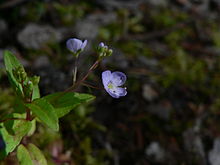 Veronica americana, also known as American Speedwell, is edible
- Safflower
- Sage and blooms
- Salad Burnet and blooms
- Sassafras
- Sedges
- Sheep sorrel
- Small burnet and blooms
- Speedwell (edible weed, Veronica americana, pictured here. Photo credit Wikipedia)
- Spinach
- Spruce twigs/branches
- Strawberry, and plants
- Sumac
- Sunflowers, blooms and seeds
- Tarragon
- Thyme and blooms
- Timothy Hay
- Tomato (ripe fruit only)
- Turnip and tops - limit due to possible gas build up
- Vetches
- Wheat grass
- White oak
- Wild carrot
- Wild lettuce
- Wild Pansy
- Wild rye
- Willow (all species - twigs and leaves in moderation)
- Wood Cranesbill/Woodland geranium
- Zucchini

Find more pictures for some of these plants HERE.
WARNING:
Pet safe plants may be pet-safe, but if you feed too much, you can still upset your rabbit's guts and create a potentially lethal case of diarrhea.
Obesity is a health problem among pet rabbits. We suggest knowing your rabbit's breed and ideal weight, and then resolving to not go overboard on treats. At the very least, know which of these pet safe plants are low in energy and carbohydrates, and choose these for treats instead of, say, apples and bananas.
Feeding Your Rabbits (With or Without Pellets)
Feeding Your Rabbits is our guide on everything you need to know about a healthy rabbit diet. It includes information about store pellet feed or a home forage diet so you can choose the right fare for your hare.
Feeding Your Rabbits offers information about feeding your rabbits at all stages of life, including bottle feeding newborn babies, normal feeding of all your rabbits, extra nutrition for pregnant and nursing does, health-enhancing supplements, and much much more. It is useful whether you wish to supplement the normal commercial rabbit pellets, or you wish to completely replace those pellets.
A healthy diet really does help ensure your rabbit lives its best life.
Click here for more information, or...
Click here to purchase Feeding Your Rabbits With or Without Pellets!
Your purchase is 100% Risk Free. See our Double-Value Guarantee below.
List of Plants Unsafe for Rabbits

It is difficult to create an exhaustive list of unsafe plants, for several reasons. Many discrepancies exist across sources as to which plants are poisonous and which are not. Some plants are considered either toxic or safe depending on the source, and most resources didn't give any reason for why they listed the plant either toxic or nontoxic.
Pictured: Foxglove flower stalk - beautiful, but deadly to both people and animals by disrupting heart rhythm.
Instead, we'll link you to a couple websites that seem more reliable than others. You can study the entries on those lists and compare them with the plants in your area:
- Merck Veterinary Manual - Poisonous Houseplants and Ornamentals.
- Medirabbit List of Toxic Plants.
- Searchable List of Poisonous Plants (Cornell University) - This list includes alfalfa (?!)
Since we are unable to verify the accuracy of the information, please feed or not feed plants to your rabbits at your own risk. When in doubt, do your own due diligence and research it.
But besides simply sending you away to other websites, we'd still like to offer a few pointers as to various known problematic veggies and/or seeds and trees:
These Present Possible Rabbit Food Problems
- Cucumbers and light green lettuces, such as iceberg lettuce, can trigger diarrhea (dysbiosis) in some rabbits until their intestinal flora can balance itself to accommodate the veggies. Additionally, they have minimal nutrient levels and very high water levels.
- Too much cabbage regularly given might enlarge the thyroid and give digestive problems.
- Rabbits don't do dairy products, as a rule, and especially not pasteurized products. This includes yogurt.
- All GMOs should be strictly avoided (by humans as well) due to growth and reproductive problems, disruption of digestive pathways, plus mounting scientific evidence of mammary cancers.
- Peanuts are probably okay in themselves, but carry a significant risk of mold (aflatoxin).
- Potatoes, if more than a tiny bit greenish.
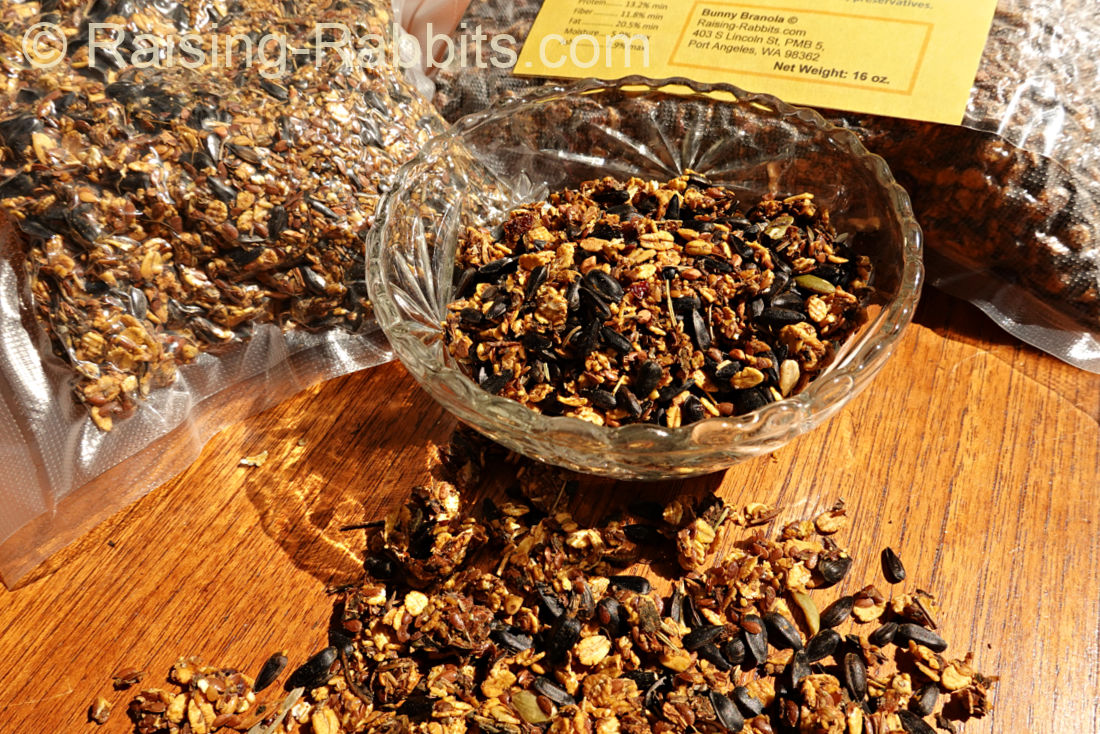
Bunny Branola - Ultimate Rabbit Nutritional Supplement, and Treat!
What rabbit doesn't love Bunny Bran??!
One Tablespoon per day of our tasty and nutritious rabbit food supplement sprinkled on their regular food is all your bunny needs to be happier and healthier.
- Softer and shinier fur
- Healthier teeth and tummies
- Greater stress relief due to things like barking dogs, new situations, or ultra cold winters.
- Bunny Branola is a wonderful rabbit superfood supplement for pregnant bunnies and growing bunnies.
- Too much of these at one sitting can upset
gastrointestinal health. The problem is these contain high levels of
plant sugars and starches, and even moderate amounts can result in too
much sugar in the rabbit's hind gut (cecum). The result is dysbiosis, or
an imbalance in unhealthy bacteria. Enterotoxemia resulting in diarrhea
and death is possible, especially in youngsters:
* Whole seeds
* grains
* nuts
* corn
* peas
* lentils
* beans
* potatoes
* bamboo shoots - Don't feed these raw beans: Lima, kidney, soy.
- Onion, leeks, chives, garlic: These can suppress the immune system, cause blood cells to break open (hemolysis), and can even trigger anaphylactic shock in susceptible rabbits.
- Peace Lilies (houseplants): Spathiphyllum cochlearispathum are toxic (high oxalates)
- Rhubarb leaves are toxic
- Chocolate (cocoa) is toxic to rabbits
- Avocado is considered toxic
- Most large and small fruit seeds are toxic. This includes apples and pears, but does not include berries.
Tree Branches:
Twigs/branches of safe trees are listed above in our long list of pet safe plants. DON'T give twigs/branches from these trees of the Prunus genus, which contain compounds that convert to cyanide in the leaves, twigs and bark:
- Almond
- Apricot
- Cherry
- Nectarine
- Peach
- Plum
Double-Value Guarantee
Our policy is to always OVER-deliver
on value,
which is why your purchase is fully covered by our
Double-Value
Guarantee.
Go ahead - take any of our e-books for a test drive. Peruse our detailed informational and educational e-books. Examine our plans for building rabbit cages, runs, or metal or PVC hutch frames. Check out the Rabbit Husbandry info e-books.
If you aren't completely satisfied that your e-book purchase is worth at least double, triple or even quadruple the price you paid, just drop us a note within 45 days, and we'll refund you the entire cost. That's our Double-Value Guarantee.
Note: When you purchase your
e-books, they will be in PDF format, so you can download them to any device that
supports PDF format. We advise making a back-up copy to a drive or cloud
account. If the books are lost, you can also purchase another copy from Raising-Rabbits.
Double-Value Guarantee
Our policy is to always OVER-deliver
on value,
which is why your purchase is fully covered by our
Double-Value
Guarantee.
Go ahead - take any of our e-books for a test drive. Peruse our detailed informational and educational e-books. Examine our plans for building rabbit cages, runs, or metal or PVC hutch frames. Check out the Rabbit Husbandry info e-books.
If you aren't completely satisfied that your e-book purchase is worth at least double, triple or even quadruple the price you paid, just drop us a note within 45 days, and we'll refund you the entire cost. That's our Double-Value Guarantee.
Note: When you purchase your
e-books, they will be in PDF format, so you can download them to any device that
supports PDF format. We advise making a back-up copy to a drive or cloud
account. If the books are lost, you can also purchase another copy from Raising-Rabbits.
* Affiliate Links*
As an affiliate of several companies, including Amazon.com, we earn from qualifying purchases. Your purchases from these affiliates come at no extra cost to you.
Bunny Bazaar!
Online Shopping Mall by Raising-Rabbits!
One-Stop Shop for Rabbit Swag for both Buns and Humans
Bunny Branola!
The Ultimate
Rabbit Nutritional Supplement and Treat!
4 delicious flavors! Sample packs available!
Yes! I want more info!
Yes, Buy Bunny Branola Now!
Look What's NEW!!
Our very own classy
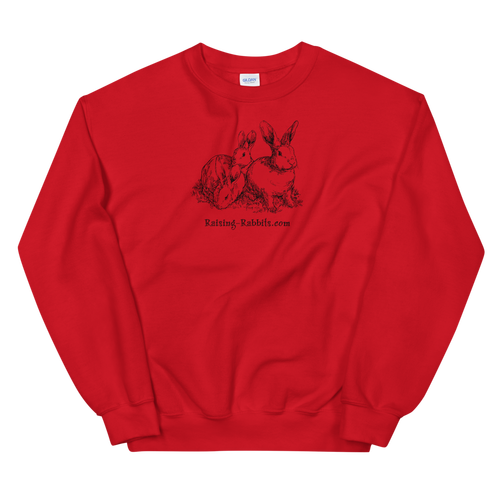
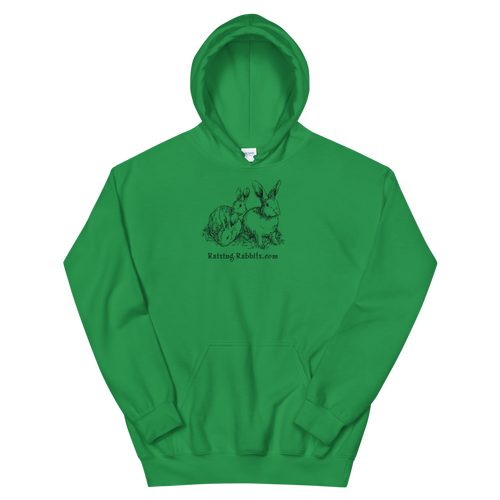
Raising Rabbits Sweatshirts, T-shirts, and Hoodies!
 |
 |
 |
.
We're now offering classy, unisex
Raising Rabbits
sweatshirts and hoodies,
Available in a great assortment of colors!
(We have unisex T-shirts too.)
Check out the Bunny Bazaar for our gorgeous
garments!
Order your own today!
They make great gifts too!!
Featured Rabbitries:
Click the Rabbitry Name Links:
Canada, Quebec
MapleRidge Stables Rabbitry
Himalayan Rabbits
Arizona
Hostile Hare
Chinchillas, Cages
Illinois
Open Doors Rabbitry
Lionheads, New Zealands
Kentucky
Goshen Bunnies
Holland Lop and Mini Plush Lop
New Jersey
Go Bunny Treats
All Natural Rabbit Treats
Mini Plush Lop Bunnies
All Natural Rabbit Treats
Belle's Bunny Boutique
Holland Lops & Mini Lion Lops
North Carolina
What The Fluffle Rabbitry
New Zealands, Champagnes
Breadbox Rabbitry
Netherland Dwarfs
The Farm at Fort Mill
Holland Lops
(Right across the South Carolina
border at Charlotte)
Pennsylvania
Happily Ever After
Mini Plush Lops, Holland Lops,
Netherland Dwarf, Lionhead,
Mini Plush Lop, & Mini Rex
Bunnies by Emma and Ellie
Holland Lop, Mini Lop,
Mini Plush Lop,
Mini Rex/Holland Lop Mix
Rhode Island
Shepherds Purse Rabbitry
Holland Lops
South Carolina
Jubilee Farms
Holland Lops
Washington
Cotton Candie Tails
Lionheads, Vienna-Marked
Subscribe to Rabbit Rhythms,
our e-newsletter !
Get rabbit news, husbandry and health tips mostly every month. It's easy - we only need your email address, then hit the 'subscribe' button. Enjoy!
Recent Articles


-
Mama Rabbit Preparing Her Babies Crib
Apr 25, 24 02:55 PM
 I caught my doe busy in her crib making occupation one day. She didn't care for my camera, and certainly seemed to feel uneasy in her mind that I should
 -
Raw Rabbit: Order raw frozen rabbit for pets
Mar 25, 24 07:45 PM
 Raw rabbit. Convenient online ordering of raw frozen rabbit as whole prey, partially processed, or ground, for feeding pets species-appropriate meals
 -
Farm at Fort Mill
Mar 01, 24 03:22 PM
 Farm at Fort Mill has moved. It is now Jubilee Farms Holland Lops, part of Edgemoor Equestrian, in Edgemoor SC. They offer riding lessons and host events.


Raising-Rabbits: Home of
The Rabbit Raising Problem Solver
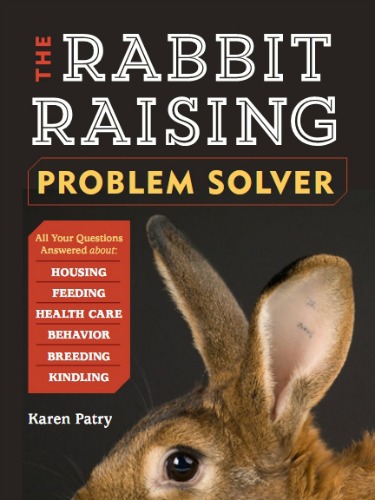
$22.62 - includes
- 10% off your autographed copy of Rabbit Raising Problem Solver
- All packaging, handling, and Media Mail postage costs (WA residents are subject to sales tax)
- Applies to US addresses - (sadly, Media Mail is not offered for international shipping, not even for really awesome books)
- (International shipping is available, of course, but it's out of our control how much they charge for shipping. Send us your country, city, and area code to obtain a shipping quote.)
* Affiliate Links*
As an affiliate of several companies, including Amazon.com, we earn from qualifying purchases. Your purchases from these affiliates come at no extra cost to you.

New! Comments
Have your say about what you just read! Leave me a comment in the box below.