About Moldy Hay, Straw, Feed
Moldy hay, if fed to your rabbits, can literally threaten their lives.
Aurora Rex Rabbit Ranch was running some feed experiments,
so we had a young litter of rabbits in a large test pen on the ground.
At first the animals ate the fresh grass growing in the caged area.
When the grass ran out, we threw in copious amounts of hay and straw. In fact, the rabbits could hardly see the ground.
Then winter hit in Western Washington, where we get buckets of rain from November through February.
The old hay in the pen began to mold. And because we kept giving the bunnies huge amounts of fresh, sweet hay, it did not dawn on me that the rabbits would also eat the older, moldy hay -- until one bunny stopped eating and drinking altogether, and then died. (True, I’m not SURE it was the mold, but...!)
I felt pretty sorry! Rabbits burrow. They get exposed to the old hay, even though they have tons of fresh hay all around them.
The remaining youngsters are doing well because I put them
back into their regular hanging cages inside the barn. We’ve also redesigned our experiments.
The Problems with Mold
More often, a rabbit gets exposed to mold when keepers try to save money by using up old hay or feed.
We learned the hard way that mold is not healthy for rabbits:
- Some molds produce a dangerous aflatoxin, which can cause abdominal upsets and death, especially in younger animals. Long-term low doses can cause liver damage and liver cancer. Animals will go off feed and water, get dehydrated and lethargic. You might even notice jaundice.
- Other molds cause enteritis, acute kidney and liver damage, and death.
- Ergot is another toxin that some molds produce. Ergot cuts off circulation by constricting blood flow. Ergot can cause abortions, gangrene, and pain in the extremities.
- Moldy sweet clover can cause Vitamin K
deficiency, resulting in spontaneous hemorrhaging. If severe, excessive bleeding results in
death.
Old Hay doesn't necessarily mean moldy
hay.
If you've stored it
in a dry, well-covered container, it can last for months. It's when moisture gets into your hay
that the mold can grow.
It’s not worth it to feed moldy hay!
You’ll potentially lose your rabbits.
Just pitch all moldy hay, straw or feed. It makes great garden mulch.
Better to figure out how the feed or hay got moldy in the first place and then prevent the mold going forward.
Are you questioning the quality of your hay? Try sticking your nose into it and taking a gentle whiff. You can smell the mold once it becomes established. Or, the sweet smell is gone, and you may see black spots on the stems. If really bad, you'll see entire areas that are black with white fuzz growing in the darkest areas.
Warning: the smell test is not fool-proof.
Mold can be present without any moldy odor. When in doubt, take a sample of hay to your vet, USDA extension agent, or an agricultural lab and have it tested for mold.
How to Store Hay or Straw
Store bales under a water-tight roof on wooden pallets. I also like to throw a tarp over the bales just in case.
Once you've broken into a bale, you might like to store loose hay or straw in covered plastic garbage cans. Keep the lids on the cans when you're not using the hay. Be sure the lids aren't so tight that they can seal moisture IN.
Enjoy your rabbits!
Click for more info on Mycotoxins and Aflatoxins
Double-Value Guarantee
Our policy is to always OVER-deliver
on value,
which is why your purchase is fully covered by our
Double-Value
Guarantee.
Go ahead - take any of our e-books for a test drive. Peruse our detailed informational and educational e-books. Examine our plans for building rabbit cages, runs, or metal or PVC hutch frames. Check out the Rabbit Husbandry info e-books.
If you aren't completely satisfied that your e-book purchase is worth at least double, triple or even quadruple the price you paid, just drop us a note within 45 days, and we'll refund you the entire cost. That's our Double-Value Guarantee.
Note: When you purchase your
e-books, they will be in PDF format, so you can download them to any device that
supports PDF format. We advise making a back-up copy to a drive or cloud
account. If the books are lost, you can also purchase another copy from Raising-Rabbits.
* Affiliate Links*
As an affiliate of several companies, including Amazon.com, we earn from qualifying purchases. Your purchases from these affiliates come at no extra cost to you.
Bunny Bazaar!
Online Shopping Mall by Raising-Rabbits!
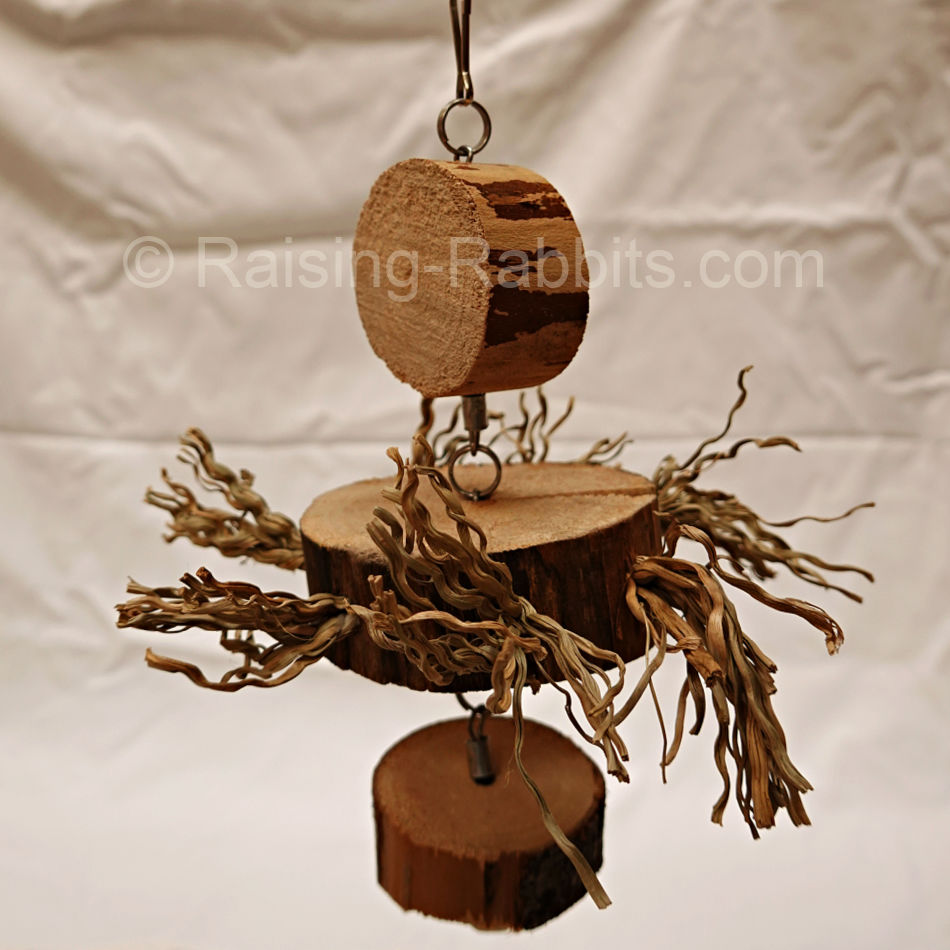
One-Stop Shop for Rabbit Swag for both Buns and Humans
Bunny Branola!
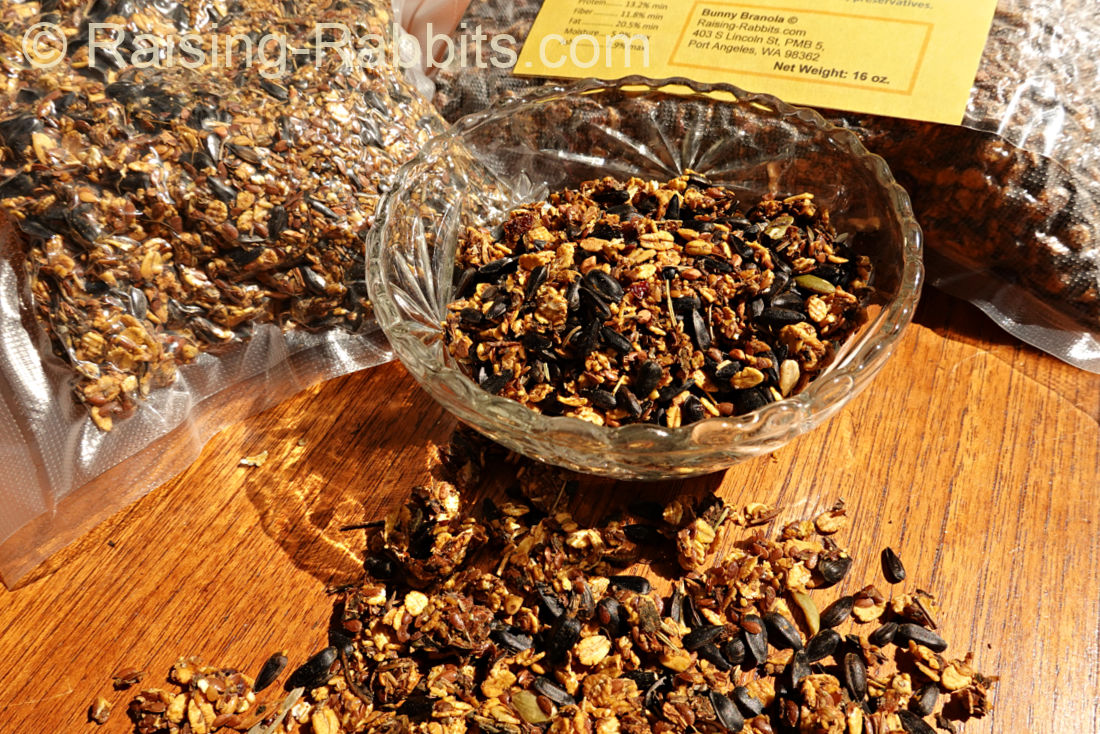
The Ultimate
Rabbit Nutritional Supplement and Treat!
4 delicious flavors! Sample packs available!
Yes! I want more info!
Yes, Buy Bunny Branola Now!
Look What's NEW!!
Our very own classy
Raising Rabbits Sweatshirts, T-shirts, and Hoodies!
 |
 |
 |
.
We're now offering classy, unisex
Raising Rabbits
sweatshirts and hoodies,
Available in a great assortment of colors!
(We have unisex T-shirts too.)
Check out the Bunny Bazaar for our gorgeous
garments!
Order your own today!
They make great gifts too!!
Featured Rabbitries:
Click the Rabbitry Name Links:
Canada, Quebec
MapleRidge Stables Rabbitry
Himalayan Rabbits
Arizona
Hostile Hare
Chinchillas, Cages
Illinois
Open Doors Rabbitry
Lionheads, New Zealands
Kentucky
Goshen Bunnies
Holland Lop and Mini Plush Lop
New Jersey
Go Bunny Treats
All Natural Rabbit Treats
Mini Plush Lop Bunnies
All Natural Rabbit Treats
Belle's Bunny Boutique
Holland Lops & Mini Lion Lops
North Carolina
What The Fluffle Rabbitry
New Zealands, Champagnes
Breadbox Rabbitry
Netherland Dwarfs
The Farm at Fort Mill
Holland Lops
(Right across the South Carolina
border at Charlotte)
Pennsylvania
Happily Ever After
Mini Plush Lops, Holland Lops,
Netherland Dwarf, Lionhead,
Mini Plush Lop, & Mini Rex
Bunnies by Emma and Ellie
Holland Lop, Mini Lop,
Mini Plush Lop,
Mini Rex/Holland Lop Mix
Rhode Island
Shepherds Purse Rabbitry
Holland Lops
South Carolina
Jubilee Farms
Holland Lops
Washington
Cotton Candie Tails
Lionheads, Vienna-Marked
Subscribe to Rabbit Rhythms,
our e-newsletter !
Get rabbit news, husbandry and health tips mostly every month. It's easy - we only need your email address, then hit the 'subscribe' button. Enjoy!
Recent Articles


-
Mama Rabbit Preparing Her Babies Crib
Apr 25, 24 02:55 PM
 I caught my doe busy in her crib making occupation one day. She didn't care for my camera, and certainly seemed to feel uneasy in her mind that I should
 -
Raw Rabbit: Order raw frozen rabbit for pets
Mar 25, 24 07:45 PM
 Raw rabbit. Convenient online ordering of raw frozen rabbit as whole prey, partially processed, or ground, for feeding pets species-appropriate meals
 -
Farm at Fort Mill
Mar 01, 24 03:22 PM
 Farm at Fort Mill has moved. It is now Jubilee Farms Holland Lops, part of Edgemoor Equestrian, in Edgemoor SC. They offer riding lessons and host events.

Raising-Rabbits: Home of
The Rabbit Raising Problem Solver
$22.62 - includes
- 10% off your autographed copy of Rabbit Raising Problem Solver
- All packaging, handling, and Media Mail postage costs (WA residents are subject to sales tax)
- Applies to US addresses - (sadly, Media Mail is not offered for international shipping, not even for really awesome books)
- (International shipping is available, of course, but it's out of our control how much they charge for shipping. Send us your country, city, and area code to obtain a shipping quote.)
* Affiliate Links*
As an affiliate of several companies, including Amazon.com, we earn from qualifying purchases. Your purchases from these affiliates come at no extra cost to you.

New! Comments
Have your say about what you just read! Leave me a comment in the box below.