Symptoms of Spinal Injury In Rabbits
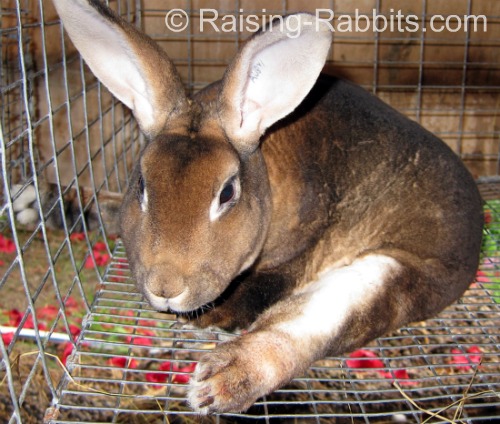
Symptoms of Spinal Injury in Rabbits. Spinal cord injury treatment in rabbits with injured or broken backs - how to know if there is hope for the rabbit’s survival.
Rabbits are surprisingly susceptible to broken backs.
Broken backs occur for two reasons -- mishandling, or a sudden startle for reasons clear only to the rabbit.
Being prey animals, they are timid and startle easily. A sudden frightened kick with its hind legs is all it takes to snap the rabbit’s backbone and render it paralyzed.
This happened to one of our excellent breeding does. On the night she kindled her third litter, unbeknownst to us, something startled her in the barn. When we checked on her and her kits in the morning, the kits were hungry, and she was propped up on her now-useless hindquarters.
The story does not have a happy ending for we had to euthanize this
doe. Her bladder and bowels were no longer functioning, and her hind end
was fouled with incontinent urine and feces. She was at risk for infection
and fly strike.
The symptoms of spinal injury in rabbits, when the spinal cord is completely severed:
- Complete paralysis of the hind legs
- You
may be able to feel a break in the back. Gentle palpation
(touching/feeling) of the area reveals movement of the bone where there
should be none, and possibly the sensation and grating sound of bone on
bone
- Extent of body paralysis depends on the location of the back broken
- Inability
to urinate or defecate by itself (broken connection of the nerves to
the brain due to the break in the spinal column). If lifting the front
end of the rabbit (or a gentle pressure to the lower abdomen) causes a
flood of urine, this is an indication that her bladder no longer
functions correctly. If her stools turn to mush or she is not passing
any feces, this is not good.
- No reaction from pinching the skin between the toes
- Rabbits with symptoms of spinal injury are apparently in minimal to no pain
Symptoms of spinal injury or bruised spine, without a complete break in the spinal cord:
- Trouble moving around, or moves with difficulty
- Unusual curvature of the back due to tenderness and favoring of the back muscles
- Can still use or feel the hind legs
- Can still urinate or defecate by itself
- Sometimes
an incomplete spinal injury can result in temporary paralysis caused by
swelling of the soft tissues putting pressure on the cord
Yesterday's News Paper Pellet Litter Unscented, in 5 lb and 26.5 lb
(Marketed for Cats, Excellent for Rabbits)
Not too long ago as we fed the rabbits, we noticed one doe acting strange. Where she usually hopped right up to the cage door to say 'hello,' that afternoon she remained at rest. When she did move, it was very slowly and with guarded movements. We noticed the normal hunch of her back was all wrong. Instead of a nice rounded curve up and over her hindquarters and down to her tail, she was letting her belly and back sag, even when at rest.
We believed she injured her spine, but without severing her spinal column. Happily, in a week or so, her posture had corrected, and she acted normally once again.
What to Do in Case of Symptoms of Spinal Injury
The only way to know for sure if the back is broken is to get a diagnosis from a rabbit-savvy veterinarian, who can x-ray the animal and tell you for sure. Follow the guidelines given by the vet. If you don’t use a vet...
- Immobilize your rabbit very carefully in a very tight rabbit carrier for several weeks, to see if any function returns.
- Place the rabbit in normal upright resting position, with feet underneath it, in a bed of hay.
- Pack the hay on the sides of the rabbit as well - think of it as a ‘hay cast’ instead of a plaster-of-paris cast.
- Ensure it can reach food and water
- You’ll need to check the rabbit’s hind end every day to ensure it stays clean. Any loose stools need to be cleaned away from its undersides and out of the carrier. Failure of your rabbit to urinate and defecate on its own is a strong argument for simply euthanizing the animal.
- If after a few weeks there is no improvement, the usual next step is to euthanize the animal.
At Aurora Rex Rabbit Ranch, we've had three rabbits break their backs. One rabbit was mishandled by guests to the barn, and the other two rabbits startled at night for unknown reasons. In all cases, we chose to euthanize the rabbits, because the broken backs had also broken the spinal cord.
Good luck. We hope you never discover any symptoms of spinal injury in your rabbits.
Double-Value Guarantee
Our policy is to always OVER-deliver
on value,
which is why your purchase is fully covered by our
Double-Value
Guarantee.
Go ahead - take any of our e-books for a test drive. Peruse our detailed informational and educational e-books. Examine our plans for building rabbit cages, runs, or metal or PVC hutch frames. Check out the Rabbit Husbandry info e-books.
If you aren't completely satisfied that your e-book purchase is worth at least double, triple or even quadruple the price you paid, just drop us a note within 45 days, and we'll refund you the entire cost. That's our Double-Value Guarantee.
Note: When you purchase your
e-books, they will be in PDF format, so you can download them to any device that
supports PDF format. We advise making a back-up copy to a drive or cloud
account. If the books are lost, you can also purchase another copy from Raising-Rabbits.
* Affiliate Links*
As an affiliate of several companies, including Amazon.com, we earn from qualifying purchases. Your purchases from these affiliates come at no extra cost to you.
Bunny Bazaar!
Online Shopping Mall by Raising-Rabbits!
One-Stop Shop for Rabbit Swag for both Rabbits and Humans
Bunny Branola:
Immune-Boosting Rabbit Nutritional Supplement and Treat!

SIX delicious flavors - Sample packs available.
Yes! I want more info!
Yes, Buy Bunny Branola Now!
Raising Rabbits Sweatshirts, T-shirts, and Hoodies!
 |
 |
 |
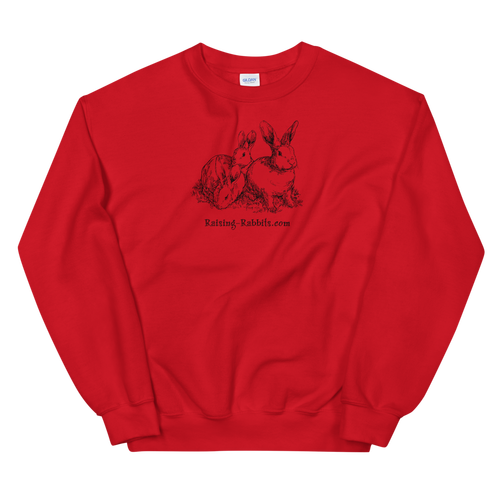
Now offering classy, unisex Raising Rabbits sweatshirts and hoodies.
Available in a large assortment of colors! (We have unisex T-shirts too.)
Find these gorgeous garments in the Bunny Bazaar!
Order your own today - They make great gifts too!!
National Rabbit Associations

American Rabbit Breeders Association (ARBA) is the national club for breeders of both rabbits and cavies (guinea pigs) in the United States. Anyone can join for a modest fee, and get wonderful support for their rabbit raising efforts.

The British Rabbit Council - Official Website of the British Rabbit Council, whose mission is to support the interests of all British rabbit breeders, including exhibition, breeding, and welfare.

Rabbit Council of NZ (Inc.) - The New Zealand Rabbit Council provides a comprehensive website about Rabbit related issues and events within New Zealand and overseas.

Australian National Rabbit Council Inc. - "An Australian Rabbit Club for Australian Rabbit Owners." It was established in order to "coordinate and promote Rabbit Clubs and interest groups throughout Australia."
Featured Rabbitries:
Click the Rabbitry Name Links:
Canada, Quebec
MapleRidge Stables Rabbitry
Himalayan Rabbits
Arizona
Hostile Hare
Cages, Consultations, Quail
Illinois
Open Doors Rabbitry
Lionheads, New Zealands
Minnesota
Lops of Love Rabbitry
Closed for Christmas vacation
North Carolina
Breadbox Rabbitry
Netherland Dwarfs
Pennsylvania
Happily Ever After
Mini Plush Lops, Holland Lops,
Netherland Dwarf, Lionhead,
Mini Plush Lop, & Mini Rex
South Carolina
Jubilee Farms
Holland Lops
Subscribe to Rabbit Rhythms,
our e-newsletter !
Get rabbit news, husbandry and health tips mostly every month. It's easy - we only need your email address, then hit the 'subscribe' button. Enjoy!
Recent Articles


-
Rabbit Diseases: Recognize Rabbit Sicknesses in Time to Help
Sep 13, 26 11:33 PM
 Rabbit Diseases: Major symptoms of common diseases affecting rabbits, including respiratory and diarrhea, plus helping your rabbit while waiting for the vet.
 -
Christmas Rabbit Pictures
Jun 04, 26 03:19 PM
 This is a fun and festive collection of Christmas Rabbit Pictures to brighten holiday spirits.
 -
Pet Rabbits: Confident Care, Feeding, and Enjoyment
Feb 14, 26 05:46 PM
 Pet rabbits: Care and feeding, including a critical-needs list of requirements. Confidently care for your bunnies with this list of rabbit care tips
Raising-Rabbits: Home of
The Rabbit Raising Problem Solver
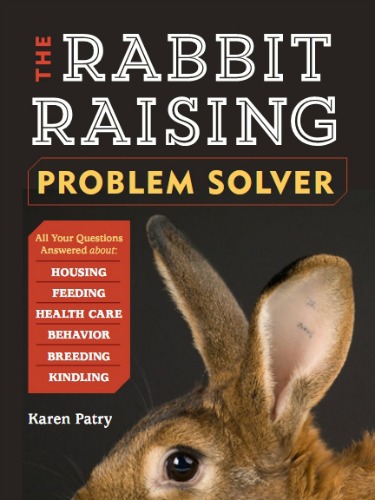
$22.62 - includes
- 10% off your autographed copy of Rabbit Raising Problem Solver
- All packaging, handling, and Media Mail postage costs (WA residents are subject to sales tax)
- Applies to US addresses - (sadly, Media Mail is not offered for international shipping, not even for really awesome books)
- (International shipping is available, of course, but it's out of our control how much they charge for shipping. Send us your country, city, and area code to obtain a shipping quote.)
* Affiliate Links*
As an affiliate of several companies, including Amazon.com, we earn from qualifying purchases. Your purchases from these affiliates come at no extra cost to you.