Ammonia Levels
Ammonia Levels. Ammonia smell in urine means possible health dangers, especially to rabbits. But here's a way to reduce or eliminate ammonia fumes and levels naturally, safely, easily.
Why is Ammonia Odor a Problem?
Ammonia is created from bacterial action on a rabbit's urine. The rabbit excretes excess nitrogen if its feed is rich with protein. Bacteria then convert the nitrogen to ammonia, which serves to feed the bacteria. If your rabbitry smells of ammonia, perhaps the percentage of protein in the feed is a bit too high. Or, in pet rabbits, it may be time to change the rabbit's litter.
Ammonia fumes have long been implicated in lung inflammation,
which opens the door to bacterial infection by Pasteurella multocida. In one
study, there were no clinically significant effects at 57 ppm, however at 672
ppm, rabbits exhibited redness, discharge and corneal cloudiness.
Additionally, every animal in the study, including rabbits,
had either areas of lung inflammation or overall diffuse inflammation
throughout the lungs as a direct result of excessive ammonia in the nearby environment.
Every-day exposure to discernible ammonia levels may also reduce the movement of the cilia lining the airways (tiny waving hairs that disinfect the lungs by brushing secretions and debris toward the mouth). If the cilia slow down, the rabbit’s lungs can’t adequately clean themselves, and without disinfecting from cleaning, it becomes easier for the rabbit or other animal to acquire infections or pneumonia.
Ammonia can accumulate in enclosed spaces, such as a bedroom, den, kitchen, garage or
barn, if the space is not adequately ventilated. Droppings and urine ‘ferment.’ Ammonia keeps on
forming, and the fumes have nowhere to go. Ammonia levels can quickly rise, until the animal begins to really suffer.
The problems didn’t stop with the lungs. Renal tubular
calcification, bronchial epithelial calcification, renal tubular epithelial
cell proliferation, myocardial fibrosis, and fatty changes in the liver
occurred in several test subjects, both dogs and rabbits. In a few control
animals, similar problems were noted, however in the ammonia group, these
conditions were marked, when they occurred.
Health damage from ammonia levels spans the gamut of animals, including humans.
Governmental guidelines (OSHA) permit 50 parts per million (ppm) for no more than 8 hours of exposure a day. Excessive ammonia exposure can be fatal to humans:
- 0-50 ppm -- Non-detectable to detectable but adverse effects unlikely
- 50-100 ppm -- Mild eye, nose, and throat irritation; may possibly develop a tolerance after 1-2 weeks with no subsequent adverse effects
- 140 ppm -- Moderate eye irritation; in exposures of less than 2 hours, no other long term problems
- 400 - 1700 ppm -- Symptoms worsen as ammonia levels rise: from moderate throat irritation to immediate eye injury, to directly caustic to airway, to throat spasms
- 2500-6500 ppm -- Fatal after half-hour exposure; sloughing and necrosis (death) of airway mucosa, chest pain, acute lung injury, deep lung spasms restricting ability to breathe
- 5000 ppm -- Rapidly fatal

Ammonia smell in animal urine and wastes can be dangerous to your animals, so any easy method of knocking down ammonia levels is an advantage.
With Spalding Labs’ Bye Bye Odor, it could be really easy - just ‘spritz spritz.’ Voila, no ammonia odor.
Get Easy Reduction of
Ammonia Levels Naturally
"If it pees and poops, Bye Bye Odor will eliminate the smell," states Spalding Labs.
"Bye Bye Odor is a safe and natural solution, especially formulated to substantially reduce or eliminate a wide range of odors associated with animal urine and manure."
Bye Bye Odor utilizes microbes that consume and break down the urea and other ammonia-odor-producing substances in animal waste products. This results in minimizing ammonia levels. It doesn't just mask the problem, it eliminates it.
No urea -- no odor, and no ammonia! The microbes digest the urea and
the other protein wastes before it turns into ammonia, so there is nothing left to smell. And the good thing
is - Spalding Labs puts a dense concentration of these safe and natural microbes
in their formula, so the job gets done efficiently.
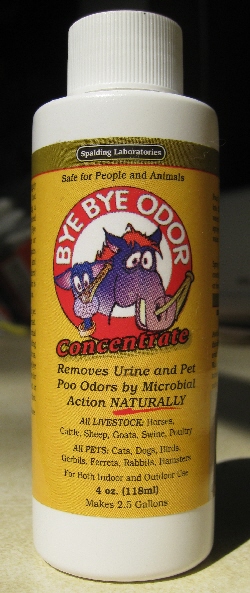
A tool such as Bye Bye Odor that actually destroys the substances causing high ammonia levels is an essential one - a powerful way to protect the health of your rabbits, to prevent losses from snuffles and other lung or kidney diseases, and to protect your own health as you care for and enjoy your rabbits.
Bye Bye Odor Facts:
- All Natural
- Non Toxic
- An odor clean-up, not a cover-up
- Use indoors and outdoors
Click on Picture to Order
Now....
(Opens new window)
Bye Bye Odor is safe for both people and
animals.
Microbes such as those used in Bye Bye Odor have been used
for decades for breaking down odors from many sources.
It probably won’t stain or discolor anything, but always test it on an inconspicuous area first.
How to Use:
- Clean rabbit spaces as usual.
- Ready to use, or dilute concentrates as directed
- Spray a generous mist of Bye Bye Odor every day over wet areas and areas where odors are accumulating
- Three to five days of daily application will result in a huge reduction of unpleasant smells.
- It even works for tomcats that ‘mark’ around the house.
- Once the Bye Bye Odor has been opened, it must be used within 60 days.
Testimonial
"I love this stuff! I mix it in
a spray bottle with water, as per the directions, and use it to spray my cat’s
litter box each time I clean it out. It immediately eliminates the odors, and
I’m finding I can go for longer periods without having to completely change all
the litter. Also, I used to use ‘regular’
cat litter like Tidy Cats because ‘natural’ cat litters didn’t control the odor
enough, but I hated exposing my cat to the chemicals they put in those litters.
Since buying Bye Bye Odor I’ve switched to the Worlds Best Cat Litter (made of
corn) and it’s the perfect combo! Safe, chemical free litter and no unpleasant
odors. I bet this stuff also works wonders on ‘wet spots’ in horse’s stalls,
though I haven’t tried it for that yet. I have a friend who uses it on
her bunny cage with great results as well."
Jessica T, Portland, Maine

Click on Picture to Learn More, or to Order
Now
"I have been using this product for 7 months now and it does what it says! I have a 5 stall barn with a mare in foal, a senior with a very large bladder, and a horse that walks round and round in the stall mixing everything in very well. But, this product works exactly as advertised every time I use it. Initially I was using a lot, soaking the really heavy pee spots. When I ordered from Spalding again so soon, he questioned why I was going through so much. He said, ‘Only mist it, don’t douse it.’ He was right. I got a 2 ½ gallon sprayer from Lowes and mixed the Bye Bye Odor with water and the odor is GONE!"
Leslie J, Delano, Tennessee
"This stuff really works!"
Brad H, Athens, OH
More general information on Ammonia and Humans
Double-Value Guarantee
Our policy is to always OVER-deliver
on value,
which is why your purchase is fully covered by our
Double-Value
Guarantee.
Go ahead - take any of our e-books for a test drive. Peruse our detailed informational and educational e-books. Examine our plans for building rabbit cages, runs, or metal or PVC hutch frames. Check out the Rabbit Husbandry info e-books.
If you aren't completely satisfied that your e-book purchase is worth at least double, triple or even quadruple the price you paid, just drop us a note within 45 days, and we'll refund you the entire cost. That's our Double-Value Guarantee.
Note: When you purchase your
e-books, they will be in PDF format, so you can download them to any device that
supports PDF format. We advise making a back-up copy to a drive or cloud
account. If the books are lost, you can also purchase another copy from Raising-Rabbits.
* Affiliate Links*
As an affiliate of several companies, including Amazon.com, we earn from qualifying purchases. Your purchases from these affiliates come at no extra cost to you.
Bunny Bazaar!
Online Shopping Mall by Raising-Rabbits!
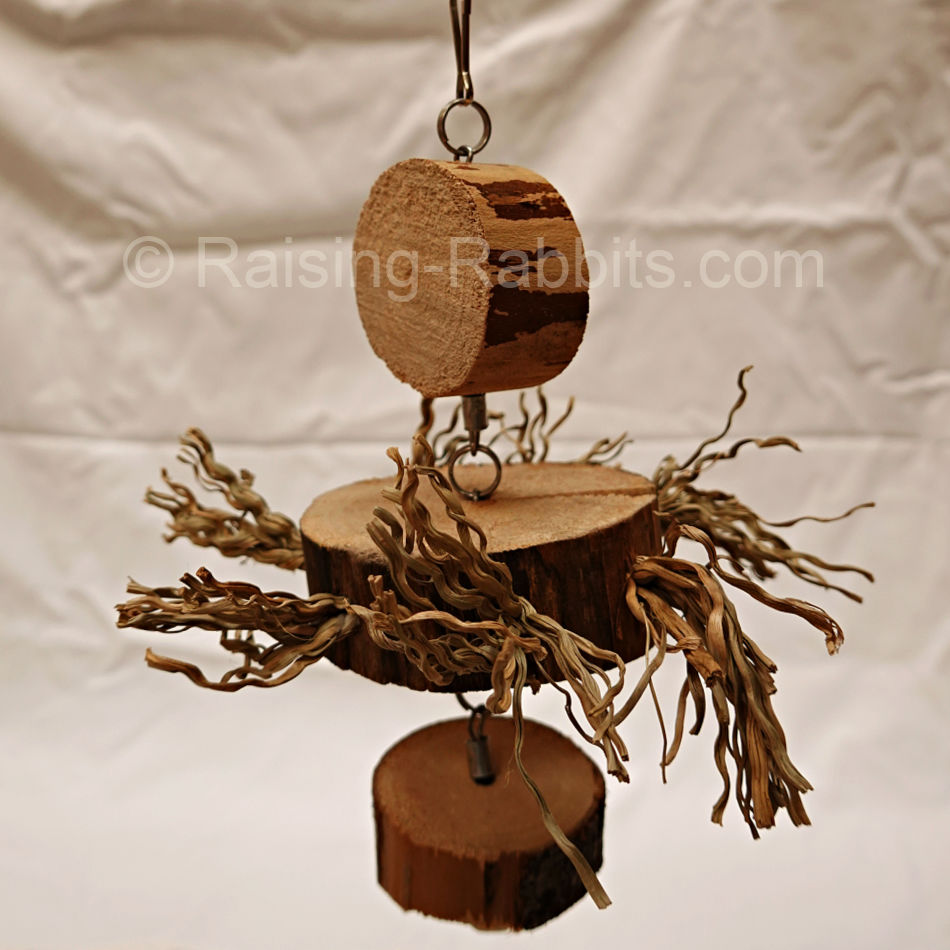
One-Stop Shop for Rabbit Swag for both Rabbits and Humans
Bunny Branola:
Immune-Boosting Rabbit Nutritional Supplement and Treat!
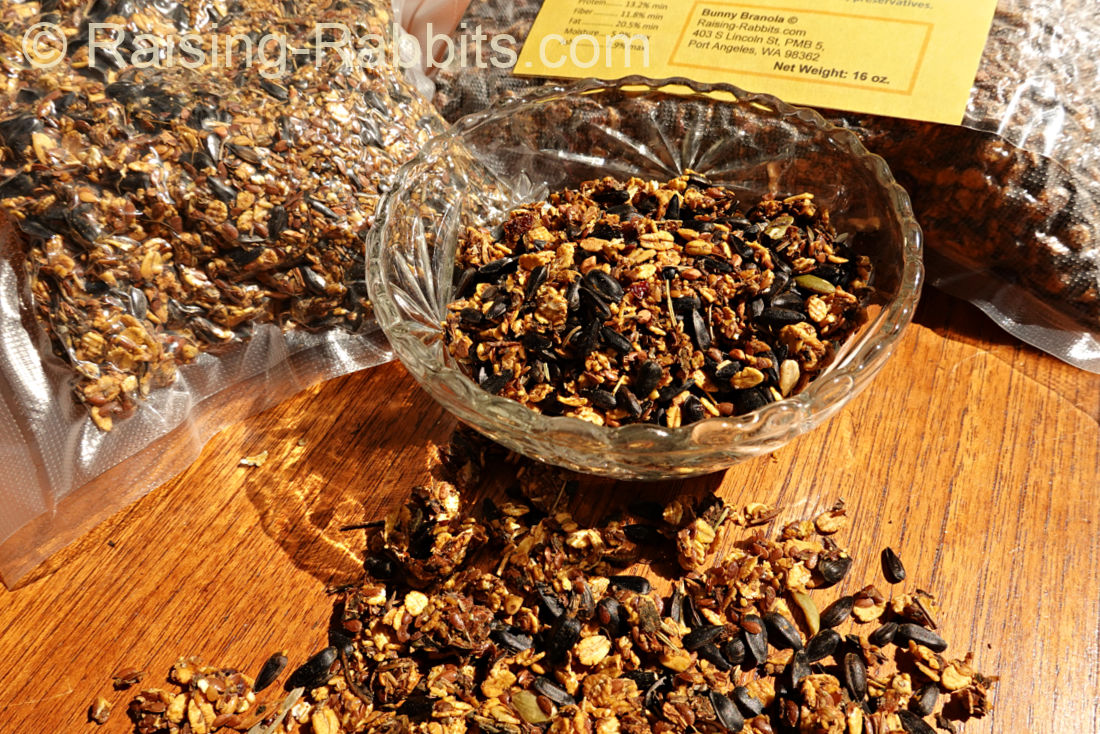
SIX delicious flavors - Sample packs available.
Yes! I want more info!
Yes, Buy Bunny Branola Now!
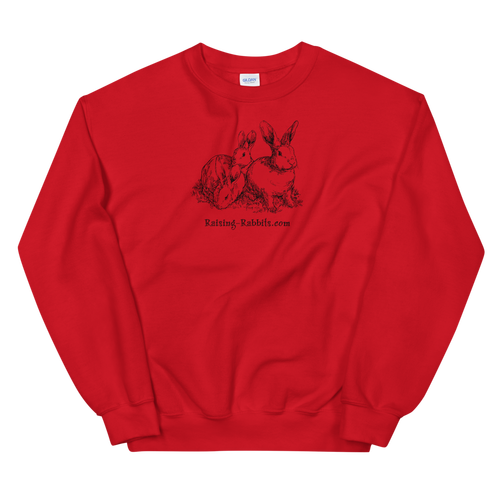
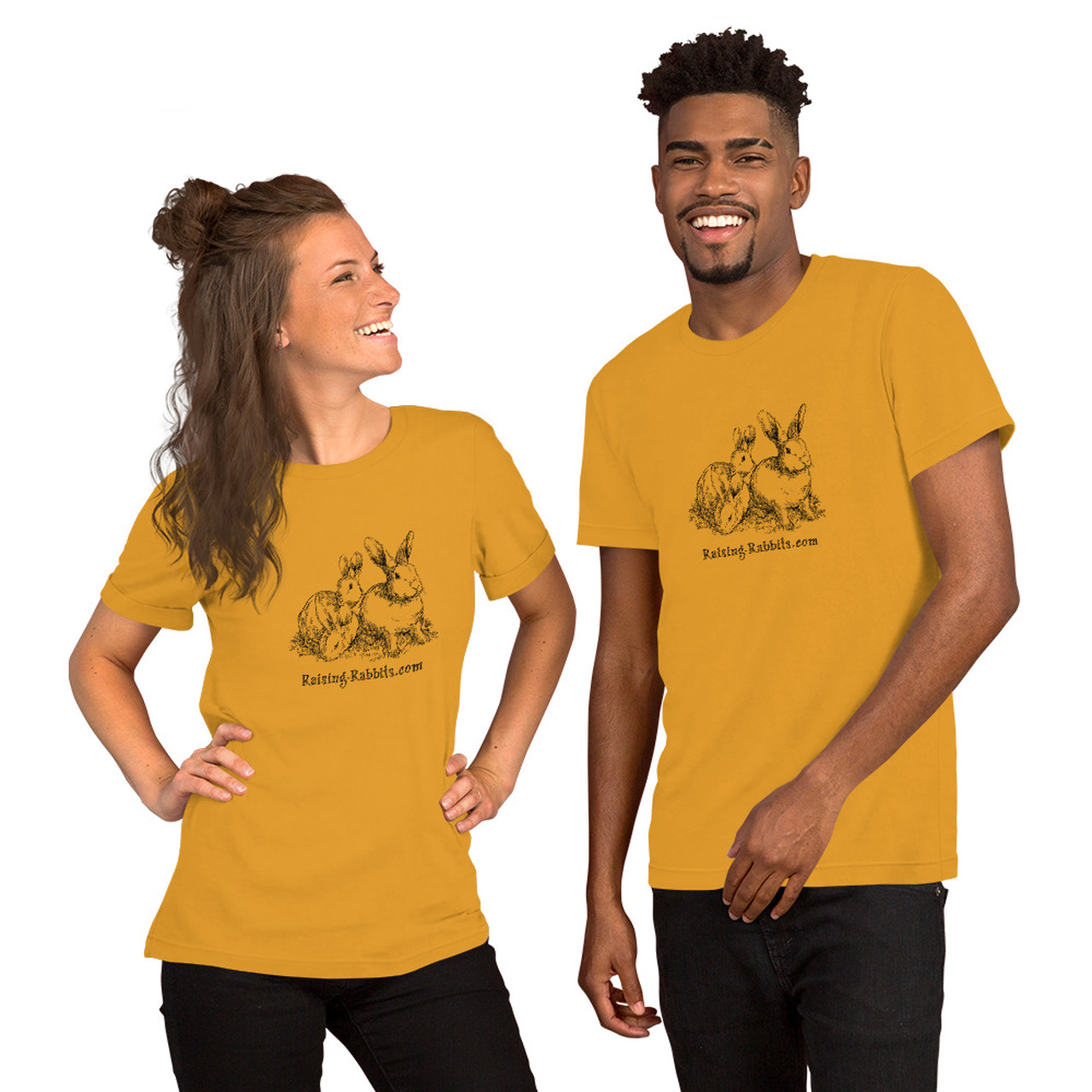
Raising Rabbits Sweatshirts, T-shirts, and Hoodies!
 |
 |
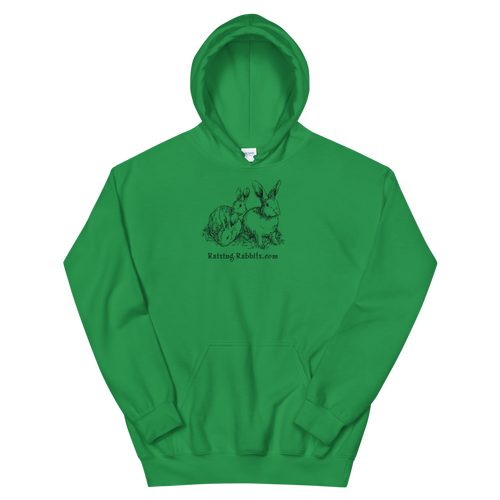 |
Now offering classy, unisex Raising Rabbits sweatshirts and hoodies.
Available in a large assortment of colors! (We have unisex T-shirts too.)
Find these gorgeous garments in the Bunny Bazaar!
Order your own today - They make great gifts too!!
Featured Rabbitries:
Click the Rabbitry Name Links:
Canada, Quebec
MapleRidge Stables Rabbitry
Himalayan Rabbits
Arizona
Hostile Hare
Chinchillas, Cages
Illinois
Open Doors Rabbitry
Lionheads, New Zealands
Kentucky
Goshen Bunnies
Holland Lop and Mini Plush Lop
Minnesota
Lops of Love Rabbitry
Closed for Christmas vacation
New Jersey
Belle's Bunny Boutique
Holland Lops & Mini Lion Lops
North Carolina
What The Fluffle Rabbitry
New Zealands, Champagnes
Breadbox Rabbitry
Netherland Dwarfs
Pennsylvania
Happily Ever After
Mini Plush Lops, Holland Lops,
Netherland Dwarf, Lionhead,
Mini Plush Lop, & Mini Rex
Bunnies by Emma and Ellie
Holland Lop, Mini Lop, Mini Plush Lop,
Mini Rex/Holland Lop Mix
South Carolina
Jubilee Farms
Holland Lops
Subscribe to Rabbit Rhythms,
our e-newsletter !
Get rabbit news, husbandry and health tips mostly every month. It's easy - we only need your email address, then hit the 'subscribe' button. Enjoy!
Recent Articles


-
All rabbit breeds recognized in USA by American Rabbit Breeders Assoc.
Jan 02, 26 06:49 PM
 List of all rabbit breeds recognized by ARBA, along with weights, brief descriptions and link to national rabbit breed club if available
 -
About Ordering Raw Rabbit: Feeding Raw Can Be Easy
Dec 10, 25 05:10 PM
 About ordering raw rabbit: All the details and your questions answered about easily purchasing frozen raw rabbit from Raising-Rabbits.com for your dogs/cats.
 -
Autumn Rabbit Pictures: Autumn-Themed Rabbit Photos
Aug 25, 25 04:14 PM
 Autumn Rabbit Pictures is a delightful collection of bunny photos in various fall themes, including story lines and cute quips..
Raising-Rabbits: Home of
The Rabbit Raising Problem Solver
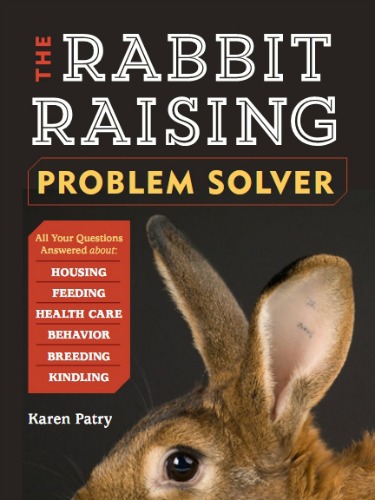
$22.62 - includes
- 10% off your autographed copy of Rabbit Raising Problem Solver
- All packaging, handling, and Media Mail postage costs (WA residents are subject to sales tax)
- Applies to US addresses - (sadly, Media Mail is not offered for international shipping, not even for really awesome books)
- (International shipping is available, of course, but it's out of our control how much they charge for shipping. Send us your country, city, and area code to obtain a shipping quote.)
* Affiliate Links*
As an affiliate of several companies, including Amazon.com, we earn from qualifying purchases. Your purchases from these affiliates come at no extra cost to you.

New! Comments
Have your say about what you just read! Leave me a comment in the box below.