Cedar Shavings:
What's the Scoop?
The cedar shavings debate still rages, thanks to a
couple articles by a university student and a breeder of rats.
These two articles allege respiratory problems in rodents due to untreated cedar, however the articles also mention pine by virtue of its quality as a softwood.
If you like, you can read the articles yourself. We’ll give
you links to both articles below, plus explain our viewpoint.
The consensus among rabbit breeders is and has been for many years to avoid untreated cedar shavings.
Untreated cedar litter smells very strongly, and breeders simply choose to be safe rather than sorry. Heat-treated cedar, however, is safe, according to the science (see our Pine Shavings page).
In the opinion of Raising-Rabbits.com, the low cost
and ready availability of heat-treated and kiln-dried pine shavings
(completely safe - see the science at our Pine
Shavings page) eliminates any attraction to
untreated cedar shavings, even if they could be readily obtained.
The two following articles recommend avoiding all softwood shavings. This is an overreaction, in my opinion, though you might be cautious with how you use untreated cedar shavings.
Two Very Popular Kiln-Dried Pine Shavings Products (Various Sizes Available):
"Respiratory toxicity of cedar and pine wood"
Doctoral student of Epidemiology Jeff Johnston wrote the article, "Respiratory toxicity of cedar and pine wood: A review of the biomedical literature from 1986 through 1995."
According to the studies:
- 50% of wood, paper and pulp mill workers eventually come down with asthma
- The studies are not consistent as to whether increasing length of exposure results in worsening symptoms
- A cessation of exposure to cedar’s plicatic acid
resulted in abatement of symptoms in around 50% of asthma sufferers
The full title lists pine, but the preponderance of the human research was done on cedar. (I have no qualms using untreated pine, however heat-treated pine is readily available.)
Mr. Johnston describes a hyperactivity of the immune system resulting in asthma. It is very clear that humans whose immune systems cannot properly handle an exposure to the irritant in cedar dust (plicatic acid) need to not be working in a cedar sawmill.
Safe Cedar Bedding - Kiln-Dried and Triple-Screened:
"The Toxicity of Pine and Cedar Shavings"
Mr. Johnston’s paper was published on the "Rat Fan Club" site, along with an article by Debbie "The Rat Lady" Ducommun. Ms. Ducommun’s article, "The Toxicity of Pine and Cedar Shavings," is based on Mr. Johnston’s presumptions, but also includes her opinions about the studies relating to liver enzymes and drug detoxification times (go to Rabbit Litter for our discussion on liver enzymes and rabbit litter, and to Pine Shavings for the science).
In her article, Ms. Ducommun makes a citation that I would find concerning if I were a rat breeder, and I quote:
- "One study showed that the mortality of rat pups raised on cedar shavings was tremendously high compared to rat pups raised on corn cob or aspen shavings. Of the pups raised on cedar shavings, 56% were dead by 2 weeks of age, while only 0.01% of the pups raised on the other beddings died. The cedar-raised pups also weighed about 23% less than the other pups."
56% mortality in pups is not good. If I were a rat breeder using untreated cedar shavings, I might have already noticed problems if the study data were accurate.
As an aside, Ms. Ducommun mentions at the end of her article that CareFRESH "makes some rats sneeze." If you’ve already visited our Rabbit Litter page, you will have seen that CareFRESH does not control ammonia levels.
High ammonia is a sure recipe for respiratory problems, at least in rabbits, and apparently also in rats.
Packaged for Poultry, Great for the Rabbit Nestbox. Quality Pine Shavings in Bulk:
Our Opinion...
In the case of Mr. Johnston’s review of research done on sawmill workers, it is not scientifically possible to assume that rats, or rabbits, will react to the phenols in cedar as the humans do. This is because the rabbits are not sucking in many board-feet of plicatic-acid-laden dust every day, while they guide logs through shredders while enveloped in clouds of sawdust.
First, where’s the clinical evidence in rabbits? Where are the thousands of rabbits getting sick due to cedar? I hear about a LOT of rabbits with snuffles or coccidiosis, but these illnesses were not contracted from acute cedar-osis.
Today, almost no one uses untreated cedar for their rabbits, however 20 or 30 years ago, cedar was a common bedding. Rabbits were not dropping like flies at the time.
Second, in a scientific research paper, you cannot make leaps into conjecture as does Mr. Johnston. He states, "The effect on small mammals is likely to be even more pronounced, especially if they are in close, continual contact with wood chips." Significantly, there are no animal studies cited by Mr. Johnston.
The reason you can’t make this leap is because of
differences, both in biology and in nutrition, between species.
Ms. Ducommon cited a rat study; still, there are enough differences between rats and rabbits in size, metabolism, and species that I'd truly like to see the results of an actual rabbit study which could corroborate or falsify Johnston's assumptions.
Third, it is not possible to extrapolate results from carnivore/omnivore species to an herbivore species, since digestive systems, nutritional needs, lungs, and metabolism are entirely different. (See Herbivore for more detail.)
Rabbits are herbivores. They chew on tree bark in the wild - including cedar bark - with no adverse reactions. This is why you cannot extrapolate from a study of sick humans and assume that smaller herbivore animals will sicken in a similar manner or worse.
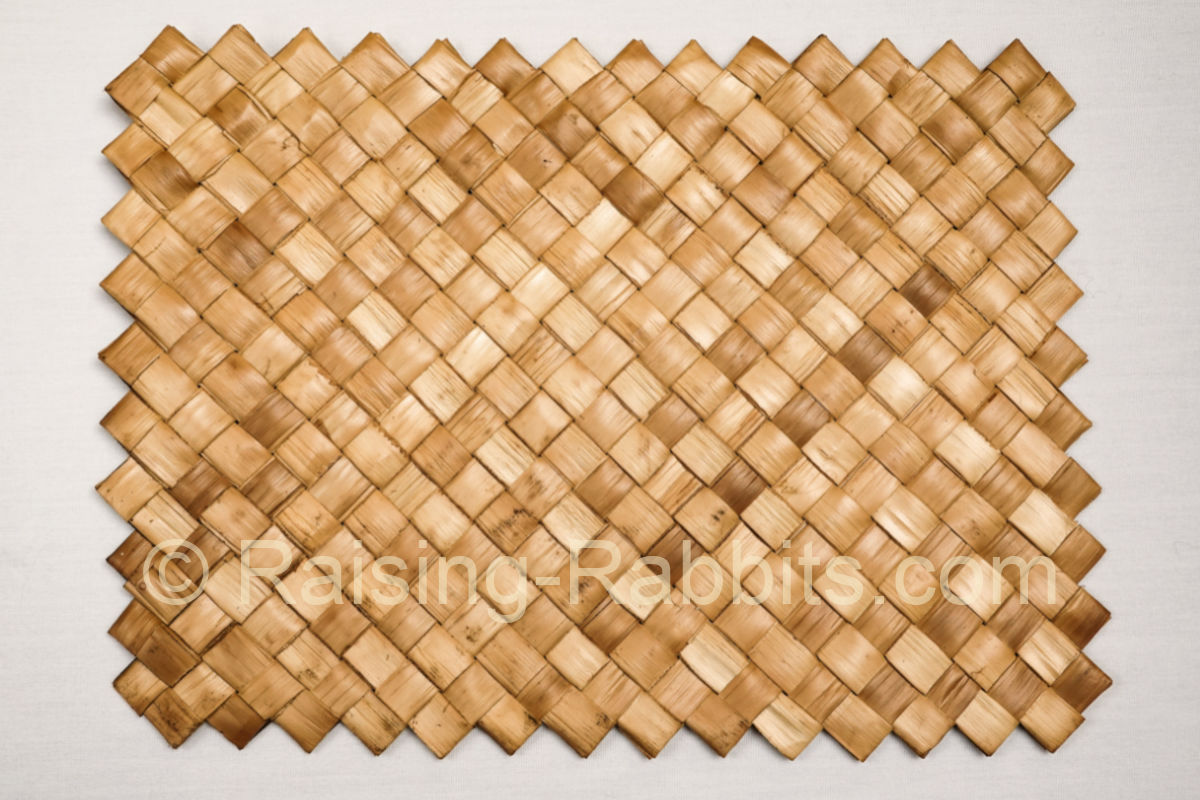
AROMATHERAPY RESTING MATS
Raising-Rabbits Aromatherapy Resting Mats are safe, chewable mats infused with lavender essential oil.
To find out more or to buy, CLICK HERE Aromatherapy Resting Mats.
As the Autumn leaves fall, so do our prices:
30% Discount on Resting Mats!!!
Regularly $12.99, now only $9.99!
Bottom Line...
Very few animal owners use untreated cedar these days. There are many other very good bedding options available such as heat-treated pine shavings which are cheap, plentiful, and effective.
While caution should be applied to using untreated cedar shavings, don't be afraid to utilize heat-treated pine shavings, which are completely safe.
- For a discussion of the effects of softwoods on rabbit liver enzymes, go to Rabbit Litter
- For a comparison of rabbit beddings and our top recommendations, go to Rabbit Bedding
- For a discussion about the safety of pine shavings, go to Pine Shavings
Consider a membership in the American Rabbit Breeders Association
Double-Value Guarantee
Our policy is to always OVER-deliver
on value,
which is why your purchase is fully covered by our
Double-Value
Guarantee.
Go ahead - take any of our e-books for a test drive. Peruse our detailed informational and educational e-books. Examine our plans for building rabbit cages, runs, or metal or PVC hutch frames. Check out the Rabbit Husbandry info e-books.
If you aren't completely satisfied that your e-book purchase is worth at least double, triple or even quadruple the price you paid, just drop us a note within 45 days, and we'll refund you the entire cost. That's our Double-Value Guarantee.
Note: When you purchase your
e-books, they will be in PDF format, so you can download them to any device that
supports PDF format. We advise making a back-up copy to a drive or cloud
account. If the books are lost, you can also purchase another copy from Raising-Rabbits.
* Affiliate Links*
As an affiliate of several companies, including Amazon.com, we earn from qualifying purchases. Your purchases from these affiliates come at no extra cost to you.
Bunny Bazaar!
Online Shopping Mall by Raising-Rabbits!
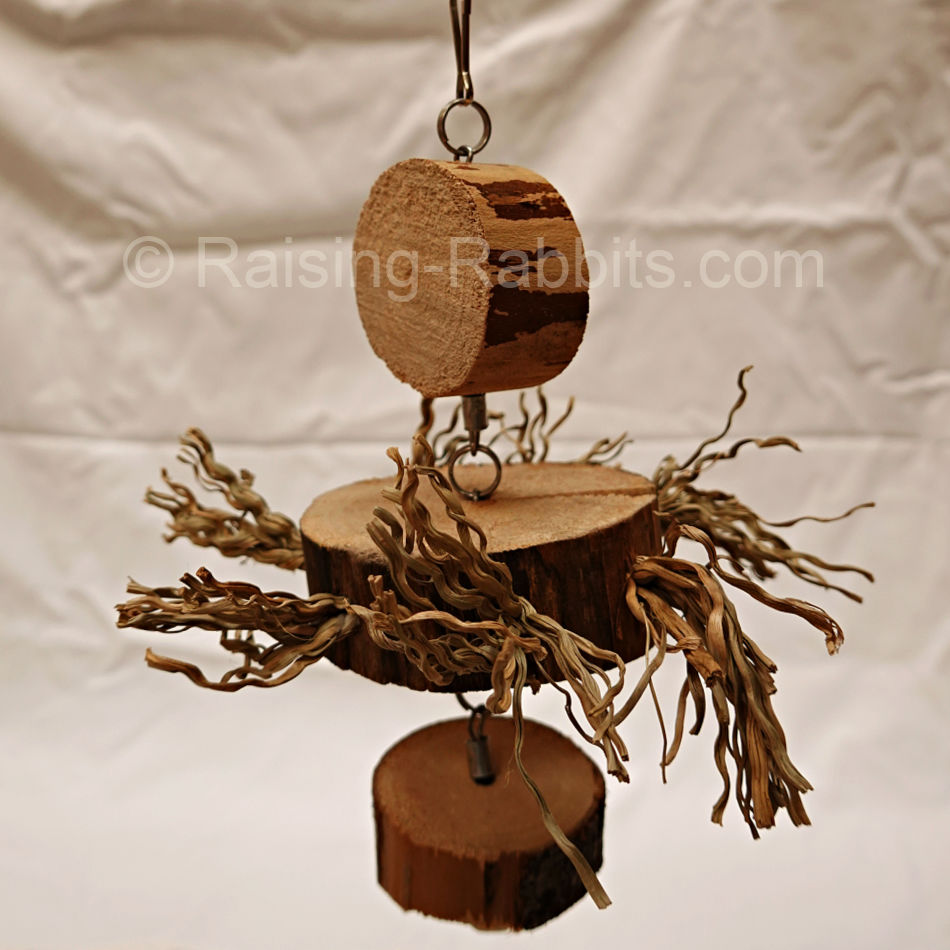
One-Stop Shop for Rabbit Swag for both Buns and Humans
Bunny Branola!
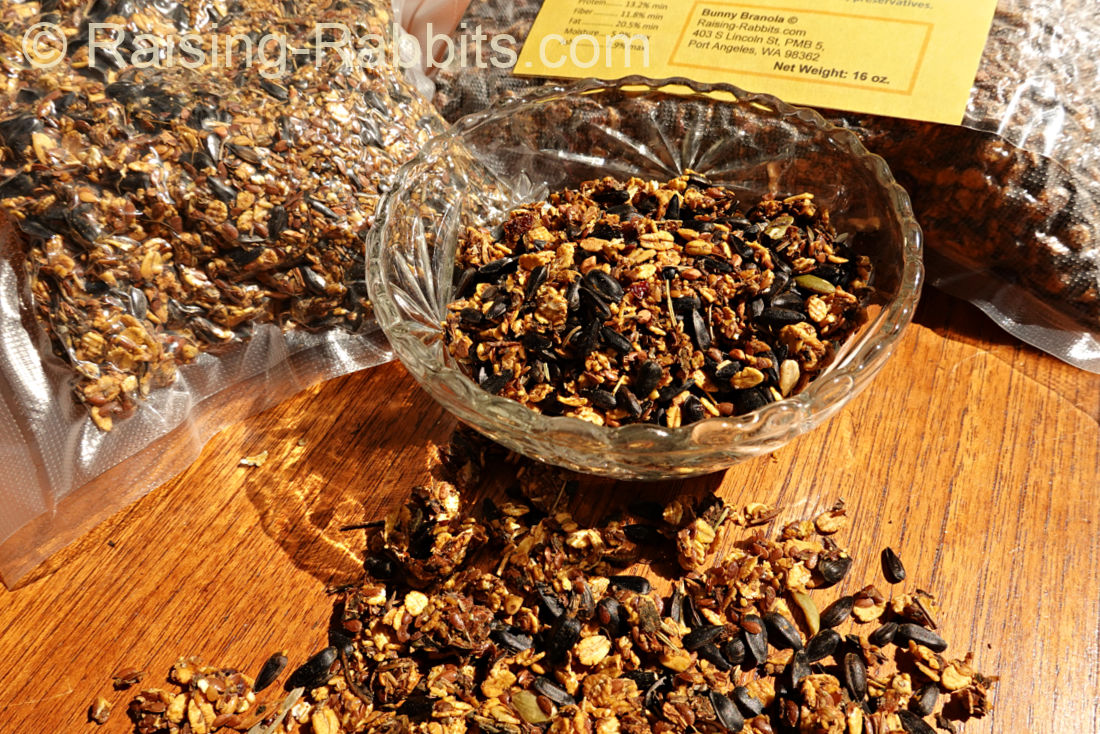
The Ultimate
Rabbit Nutritional Supplement and Treat!
4 delicious flavors! Sample packs available!
Yes! I want more info!
Yes, Buy Bunny Branola Now!
Look What's NEW!!
Our very own classy
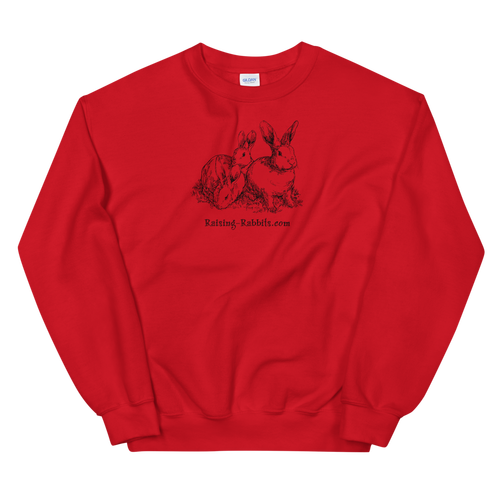
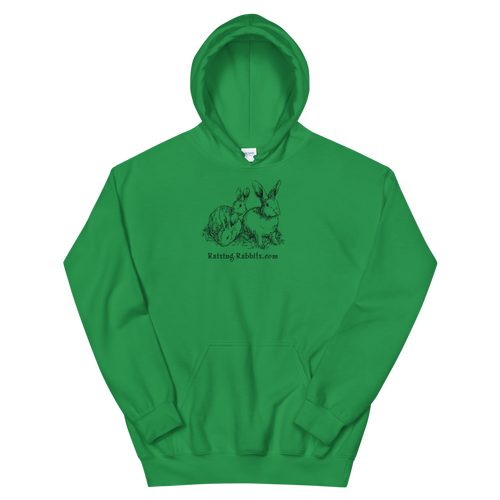
Raising Rabbits Sweatshirts, T-shirts, and Hoodies!
 |
 |
 |
.
We're now offering classy, unisex
Raising Rabbits
sweatshirts and hoodies,
Available in a great assortment of colors!
(We have unisex T-shirts too.)
Check out the Bunny Bazaar for our gorgeous
garments!
Order your own today!
They make great gifts too!!
Featured Rabbitries:
Click the Rabbitry Name Links:
Canada, Quebec
MapleRidge Stables Rabbitry
Himalayan Rabbits
Arizona
Hostile Hare
Chinchillas, Cages
Illinois
Open Doors Rabbitry
Lionheads, New Zealands
Kentucky
Goshen Bunnies
Holland Lop and Mini Plush Lop
New Jersey
Go Bunny Treats
All Natural Rabbit Treats
Mini Plush Lop Bunnies
All Natural Rabbit Treats
Belle's Bunny Boutique
Holland Lops & Mini Lion Lops
North Carolina
What The Fluffle Rabbitry
New Zealands, Champagnes
Breadbox Rabbitry
Netherland Dwarfs
The Farm at Fort Mill
Holland Lops
(Right across the South Carolina
border at Charlotte)
Pennsylvania
Happily Ever After
Mini Plush Lops, Holland Lops,
Netherland Dwarf, Lionhead,
Mini Plush Lop, & Mini Rex
Bunnies by Emma and Ellie
Holland Lop, Mini Lop,
Mini Plush Lop,
Mini Rex/Holland Lop Mix
Rhode Island
Shepherds Purse Rabbitry
Holland Lops
South Carolina
Jubilee Farms
Holland Lops
Washington
Cotton Candie Tails
Lionheads, Vienna-Marked
Subscribe to Rabbit Rhythms,
our e-newsletter !
Get rabbit news, husbandry and health tips mostly every month. It's easy - we only need your email address, then hit the 'subscribe' button. Enjoy!
Recent Articles


-
Raw Rabbit: Order raw frozen rabbit for pets
Mar 25, 24 07:45 PM
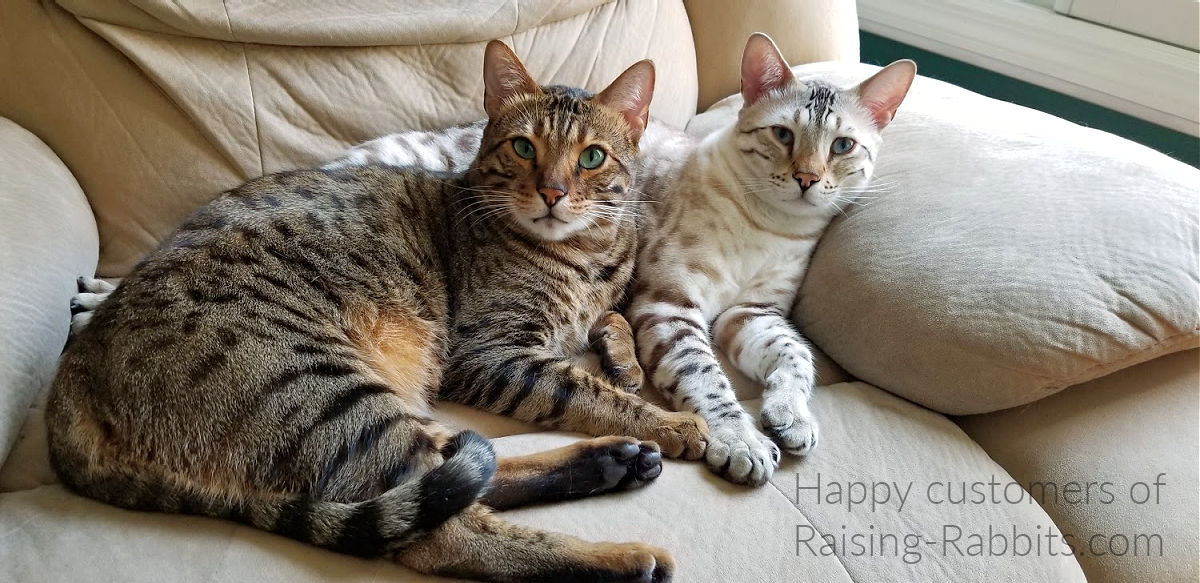 Raw rabbit. Convenient online ordering of raw frozen rabbit as whole prey, partially processed, or ground, for feeding pets species-appropriate meals
 -
Farm at Fort Mill
Mar 01, 24 03:22 PM
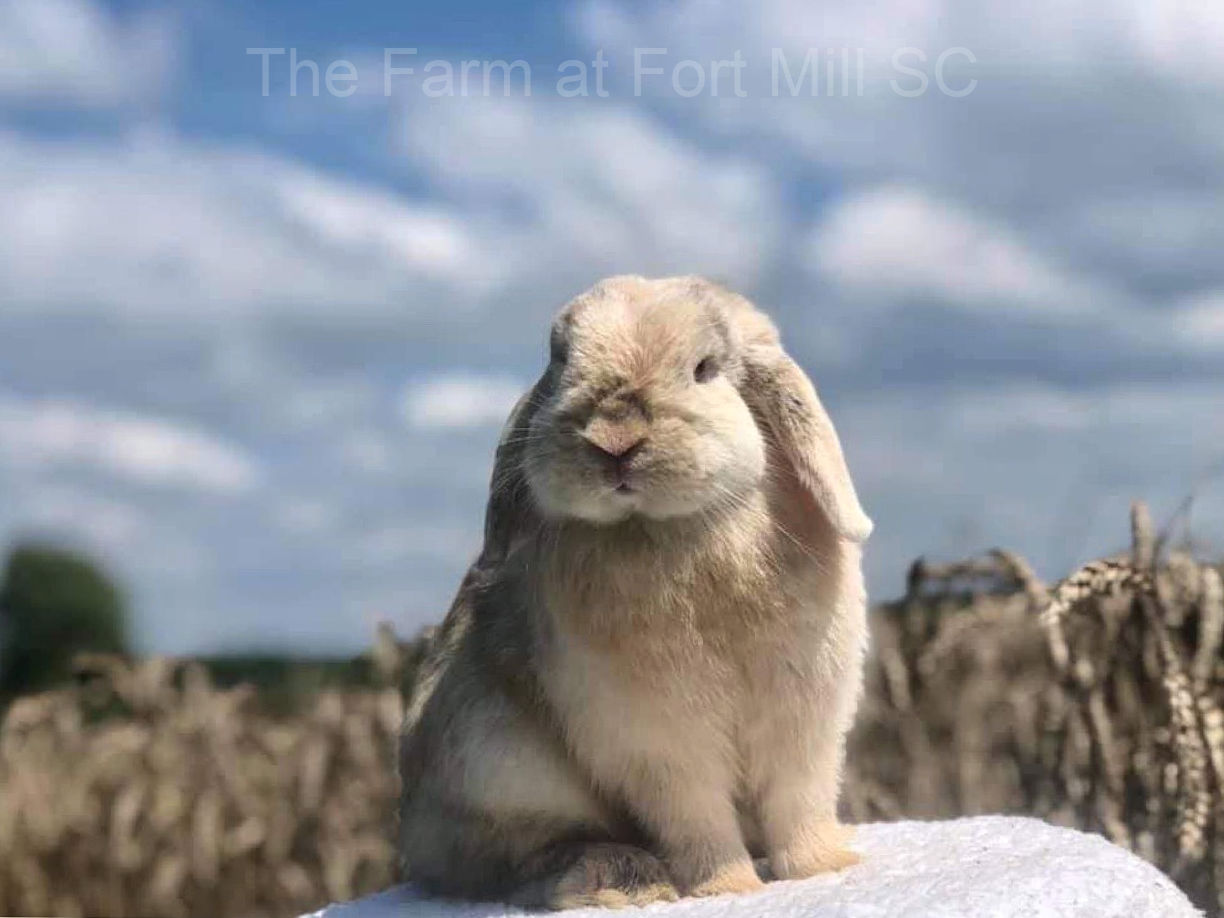 Farm at Fort Mill has moved. It is now Jubilee Farms Holland Lops, part of Edgemoor Equestrian, in Edgemoor SC. They offer riding lessons and host events.
 -
Jubilee Farms Holland Lops - Rabbitry in Edgemoor, SC
Feb 26, 24 04:01 PM
Jubilee Farms Holland Lops includes a Rabbitry in Edgemoor, SC. Jubilee Farms also has horses and riding lessons, and hosts events and learning camps.
Raising-Rabbits: Home of
The Rabbit Raising Problem Solver
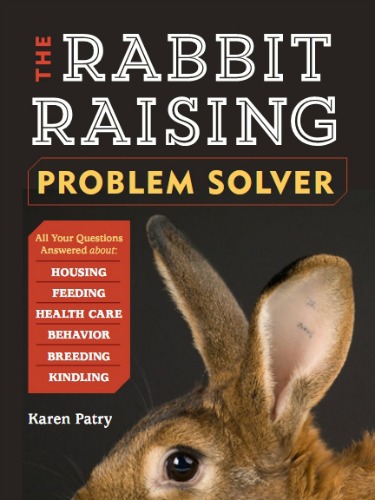
$22.62 - includes
- 10% off your autographed copy of Rabbit Raising Problem Solver
- All packaging, handling, and Media Mail postage costs (WA residents are subject to sales tax)
- Applies to US addresses - (sadly, Media Mail is not offered for international shipping, not even for really awesome books)
- (International shipping is available, of course, but it's out of our control how much they charge for shipping. Send us your country, city, and area code to obtain a shipping quote.)
* Affiliate Links*
As an affiliate of several companies, including Amazon.com, we earn from qualifying purchases. Your purchases from these affiliates come at no extra cost to you.

New! Comments
Have your say about what you just read! Leave me a comment in the box below.