Bordetella in Rabbits
Bordetella
in rabbits can look and act like snuffles, but how to tell the difference? Is
bordetella dangerous? Treatable? Recognize the symptoms and how, or if, to
treat.
Bordetella bronchiseptica germs hang out in the throat and trachea of the rabbit. They like to infect the airway cells that grow the little cilia - tiny waving hairs that help push the gunk, dust, germs and secretions upward and out of the lungs and airways.
This may be why the presence of Bordetella makes other lung infections much worse - possibly because the cilia may not work correctly and the mechanism for cleaning out the lungs gets crippled.
If there’s any season that is more likely that illness from Bordetella in rabbits would occur, it might be when temperatures are cooling in autumn. Reports of seasonality span species and include rabbits, dogs, guinea pigs, and hedgehogs.
It is common for rabbits to be infected but not show any sign of illness. These rabbits are carriers, chronically shedding germs all over their environment and anything they come into contact with, including you. While very common in rabbits, bordetella by itself doesn't usually make rabbits sick.
But some rabbits do get sick from just Bordetella. Symptoms are actually quite similar to those of Pasteurella (snuffles):
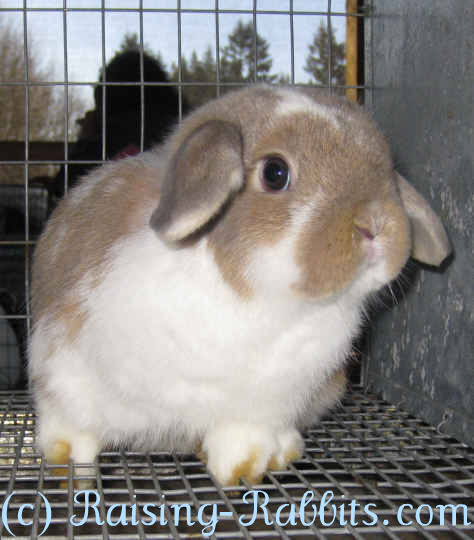
- Runny nose. Mucus can be quite runny and clear, or thick, white and gloppy
- Coughing and sneezing
- Eye drainage
- Loss of appetite
Bordetella bronchiseptica can protect itself from the rabbit’s immune defenses by hiding itself in a protective film.
Bordetella in rabbits can make it easy for other infections to take hold by crippling the lung cilia so that mucus and germs start collecting in the airways.
Other germs that cause upper respiratory infections in rabbits are:
- Pasteurella multocida (the overwhelmingly favorite suspect)
- Staphylococcus aureus
- Moraxella catarrhalis
- Mycoplasma spp
- Chlamydia spp
Rabbit Production, 1996 Edition
IMPORTANT: Rates of infection with Bordetella bronchiseptica are higher
in weanlings than in adults, while more adults get sick with Snuffles than do
weanlings.
This means that you could consider treating a sneezing weanling with antibiotics, especially if the symptoms are mild.
It helps to be aware that
bordetella might predispose that weanling to snuffles (pasteurellosis) later, as it matures. If you don’t
want THAT headache, simply cull the young’un. (In herds of rabbits, for example in show or
commercial rabbitries, overall herd health is important. Culling an individual is a valid choice to ensure the safety of the herd, when that individual can be soon replaced.)
Immune System Boost:
Cleaning, Treatment, Prevention of Bordetella in Rabbits
Prevention:
Other animal species such as dogs, guinea pigs and hedgehogs commonly carry bordetella germs. The best way to prevent bordetella in rabbits is to avoid contact with other animals. That said, we know many rabbit lovers (including breeders) whose rabbits, dogs and cats are best buddies.
Additionally, Bordetella in rabbits is already very common.
(The rabbits that get sick are usually sick with Bordetella AND another
germ--their immune systems are not up to par.)
Cleaning:
Bordetella is easily purged from the environment by common
disinfectants. Scrubbing the cage, feeder and watering crock, valve or bottle,
and then using a 1:10 bleach solution is very effective.
Treatment:
According to www.criver.com:
"Treatment of animals with antimicrobials may serve to treat illness [caused by bordetella], but rarely, if ever, resolves the carrier state, nor will [oral] antibiotic treatment eliminate bacteria from the bedding or cage surfaces. Thus, treatment is only recommended to ameliorate clinical signs."
To rephrase: Treating Bordetella in rabbits will probably result in the rabbit getting ‘better,’ as in, improve the clinical symptoms, but the rabbit could remain a carrier, and a shedder, of the germ on a long-term basis.
Plus, carriers of Bordetella may become more susceptible to Pasteurella, because of the ability of Bordetella to disrupt the function of the lung cilia.
Other vets state that over time, the rabbit's immune system, if strong enough, may be able to eradicate the infection.
Condition Enhancers: BOSS, Whole Oats
Our Thoughts on How to Handle Bordetella in Your Rabbits
Commercial:
Replace affected breeding stock with healthy animals.
Rabbitry for show or backyard meat:
Eliminate from the breeding pool if you have a healthy replacement animal. If not, then treat
the animal, breed and obtain healthy replacement animals from its offspring.
Find more details on how to breed health into all your rabbits on our Pasteurellosis
page.
Pets:
If your pet rabbit has a ‘simple’ case of bordetella alone
-- we can always hope! -- antibiotic treatment may very well help your pet
return to health. Just know that according to some vets, it will probably still carry the germs even if
it is no longer sick, and may be prone to respiratory problems in the future.
But who knows, maybe it will go on to live a long happy life...!
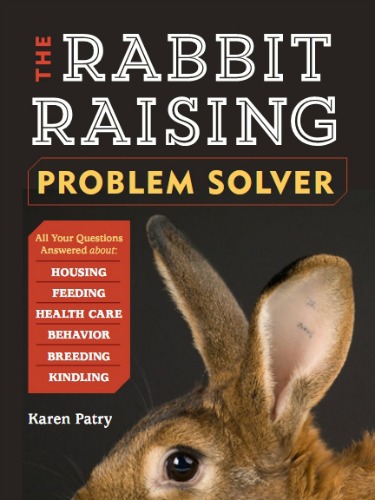
Below: Rabbit Raising Problem Solver offers extensive info on health challenges.
Rabbit Raising Problem Solver Is Available on Amazon.com or Raising-Rabbits.com:
Add your Comments or
Share your Experiences!
Your comments or experiences can help others who read them. So, comment away, and if you have pictures, you can post up to four of them. Pictures are always helpful.
(Have questions? Perhaps your question was already asked, and answered, below. If not, Karen has answered hundreds of your questions in her book: Rabbit Raising Problem Solver, covering every aspect of pet rabbit and livestock rabbit care as well as rabbit health and disease. We recommend it!)
Comments from Other Visitors...
Click below to see additional posts that other visitors have made to this page...
My Rabbit & Tricide-Neo Not rated yet
My bun has bordetella and, after several antibiotics, her symptoms later returned.
Through the diagnosing vet I learned about Tricide-Neo (aka Neocide …
References:
- http://wildlife1.wildlifeinformation.org/S/00dis/bacterial/Bordatella_bronchiseptica_Inf_HHog.htm
- http://www.rabbit.org/care/pasteurella.html
- http://www.criver.com/SiteCollectionDocuments/rm_ld_r_bordetella_bronchiseptica.pdf
- http://www.medirabbit.com/EN/Respiratory/Bacterial/URI.pdf
- https://en.wikipedia.org/wiki/Bordetella_bronchiseptica
Double-Value Guarantee
Our policy is to always OVER-deliver
on value,
which is why your purchase is fully covered by our
Double-Value
Guarantee.
Go ahead - take any of our e-books for a test drive. Peruse our detailed informational and educational e-books. Examine our plans for building rabbit cages, runs, or metal or PVC hutch frames. Check out the Rabbit Husbandry info e-books.
If you aren't completely satisfied that your e-book purchase is worth at least double, triple or even quadruple the price you paid, just drop us a note within 45 days, and we'll refund you the entire cost. That's our Double-Value Guarantee.
Note: When you purchase your
e-books, they will be in PDF format, so you can download them to any device that
supports PDF format. We advise making a back-up copy to a drive or cloud
account. If the books are lost, you can also purchase another copy from Raising-Rabbits.
* Affiliate Links*
As an affiliate of several companies, including Amazon.com, we earn from qualifying purchases. Your purchases from these affiliates come at no extra cost to you.
Bunny Bazaar!
Online Shopping Mall by Raising-Rabbits!
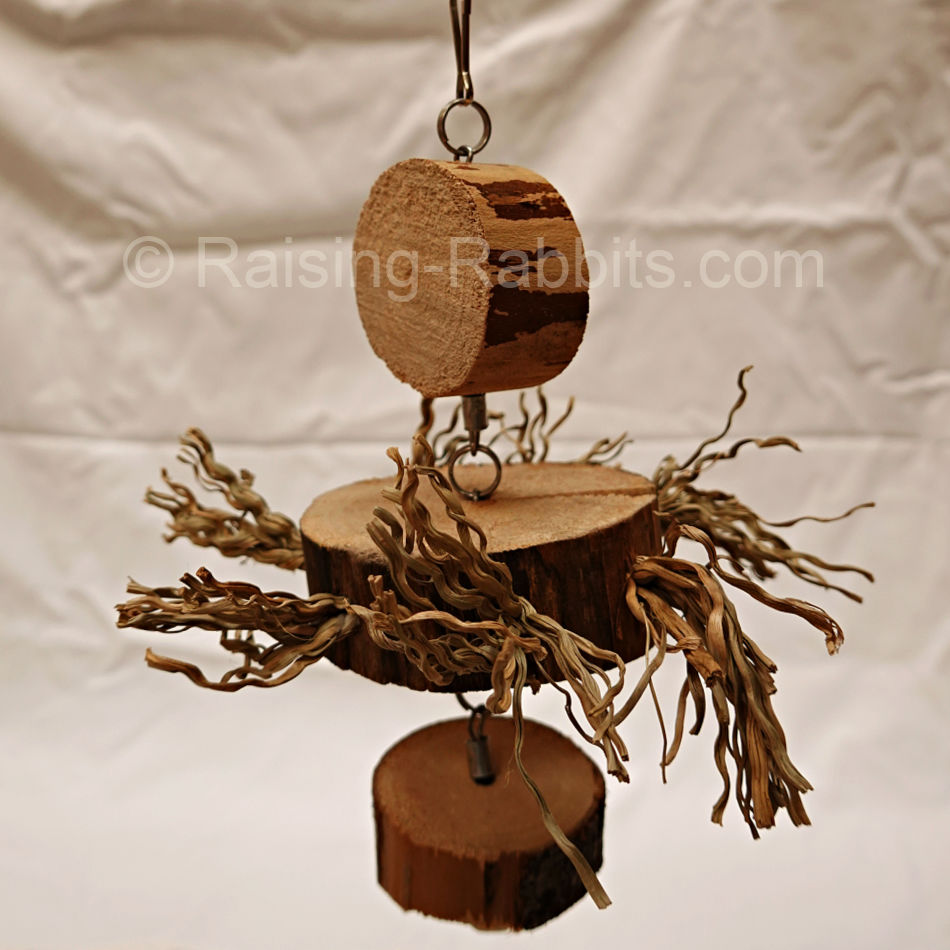
One-Stop Shop for Rabbit Swag for both Buns and Humans
Bunny Branola!
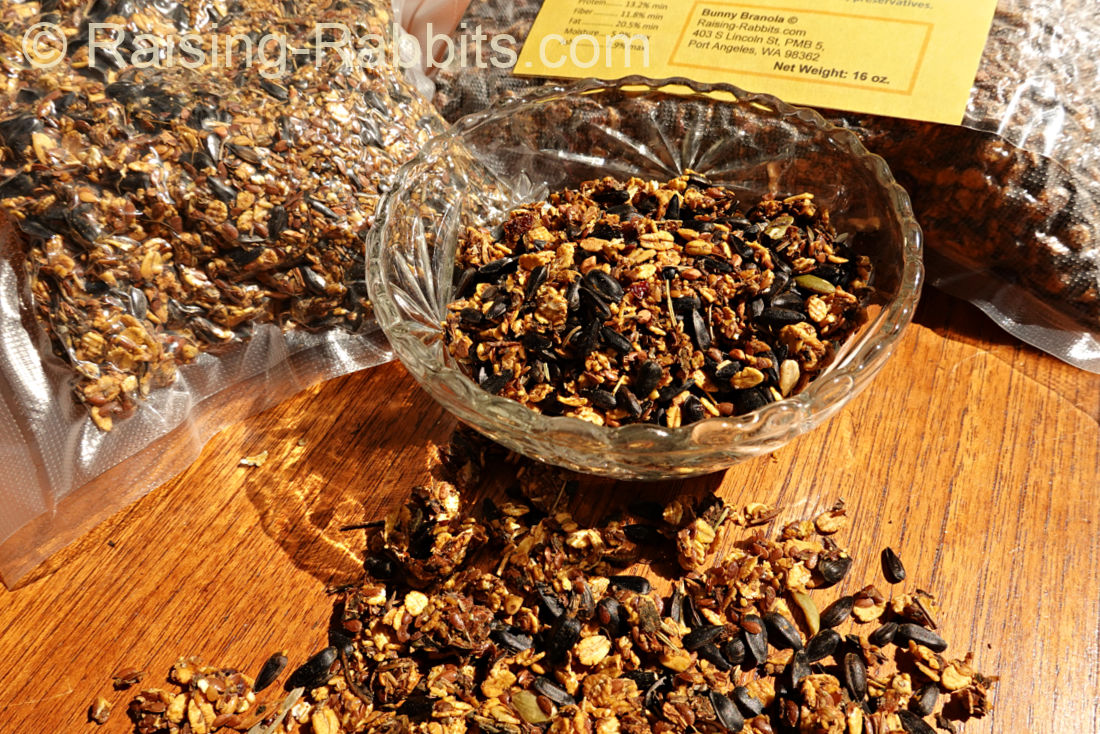
The Ultimate
Rabbit Nutritional Supplement and Treat!
4 delicious flavors! Sample packs available!
Yes! I want more info!
Yes, Buy Bunny Branola Now!
Look What's NEW!!
Our very own classy
Raising Rabbits Sweatshirts, T-shirts, and Hoodies!
 |
 |
 |
.
We're now offering classy, unisex
Raising Rabbits
sweatshirts and hoodies,
Available in a great assortment of colors!
(We have unisex T-shirts too.)
Check out the Bunny Bazaar for our gorgeous
garments!
Order your own today!
They make great gifts too!!
Featured Rabbitries:
Click the Rabbitry Name Links:
Canada, Quebec
MapleRidge Stables Rabbitry
Himalayan Rabbits
Arizona
Hostile Hare
Chinchillas, Cages
Illinois
Open Doors Rabbitry
Lionheads, New Zealands
Kentucky
Goshen Bunnies
Holland Lop and Mini Plush Lop
New Jersey
Go Bunny Treats
All Natural Rabbit Treats
Mini Plush Lop Bunnies
All Natural Rabbit Treats
Belle's Bunny Boutique
Holland Lops & Mini Lion Lops
North Carolina
What The Fluffle Rabbitry
New Zealands, Champagnes
Breadbox Rabbitry
Netherland Dwarfs
The Farm at Fort Mill
Holland Lops
(Right across the South Carolina
border at Charlotte)
Pennsylvania
Happily Ever After
Mini Plush Lops, Holland Lops,
Netherland Dwarf, Lionhead,
Mini Plush Lop, & Mini Rex
Bunnies by Emma and Ellie
Holland Lop, Mini Lop,
Mini Plush Lop,
Mini Rex/Holland Lop Mix
Rhode Island
Shepherds Purse Rabbitry
Holland Lops
South Carolina
Jubilee Farms
Holland Lops
Washington
Cotton Candie Tails
Lionheads, Vienna-Marked
Subscribe to Rabbit Rhythms,
our e-newsletter !
Get rabbit news, husbandry and health tips mostly every month. It's easy - we only need your email address, then hit the 'subscribe' button. Enjoy!
Recent Articles


-
Mama Rabbit Preparing Her Babies Crib
Apr 25, 24 02:55 PM
 I caught my doe busy in her crib making occupation one day. She didn't care for my camera, and certainly seemed to feel uneasy in her mind that I should
 -
Raw Rabbit: Order raw frozen rabbit for pets
Mar 25, 24 07:45 PM
 Raw rabbit. Convenient online ordering of raw frozen rabbit as whole prey, partially processed, or ground, for feeding pets species-appropriate meals
 -
Farm at Fort Mill
Mar 01, 24 03:22 PM
 Farm at Fort Mill has moved. It is now Jubilee Farms Holland Lops, part of Edgemoor Equestrian, in Edgemoor SC. They offer riding lessons and host events.


Raising-Rabbits: Home of
The Rabbit Raising Problem Solver
$22.62 - includes
- 10% off your autographed copy of Rabbit Raising Problem Solver
- All packaging, handling, and Media Mail postage costs (WA residents are subject to sales tax)
- Applies to US addresses - (sadly, Media Mail is not offered for international shipping, not even for really awesome books)
- (International shipping is available, of course, but it's out of our control how much they charge for shipping. Send us your country, city, and area code to obtain a shipping quote.)
* Affiliate Links*
As an affiliate of several companies, including Amazon.com, we earn from qualifying purchases. Your purchases from these affiliates come at no extra cost to you.

New! Comments
Have your say about what you just read! Leave me a comment in the box below.